WordPress Web3 Plugins: Adapting to Decentralized Technologies in 2026
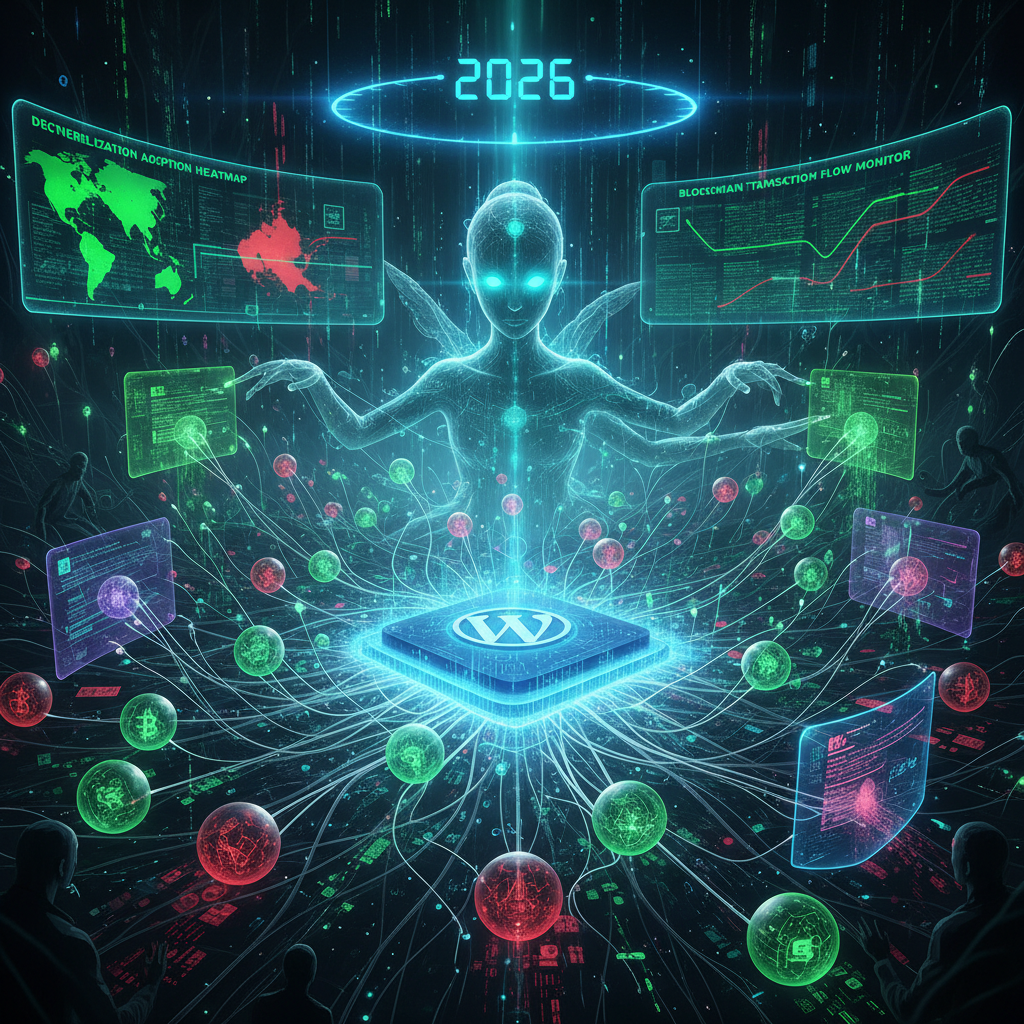
The digital landscape is undergoing a profound transformation, with Web3 and decentralized technologies emerging as the new frontier. For the millions of websites powered by WordPress, this evolution brings both exciting opportunities and critical challenges. In 2026, the demand for robust and secure WordPress Web3 plugins is skyrocketing as site owners look to integrate blockchain, NFTs, cryptocurrencies, and decentralized autonomous organizations (DAOs) into their platforms. This article delves into how WordPress plugins are silently adapting to this new paradigm, examining their functionalities, potential risks, and best practices for a secure and high-performing Web3-enabled WordPress site.
Understanding the Rise of WordPress Web3 Plugins
Web3 represents the next generation of the internet, built on decentralized networks that prioritize user ownership, privacy, and control. Integrating these concepts into a traditional CMS like WordPress requires specialized tools. WordPress Web3 plugins act as the bridge, allowing websites to interact with blockchain networks, manage digital assets, and enable decentralized functionalities without requiring extensive coding knowledge. In 2026, we are seeing a maturing ecosystem of these plugins, offering diverse solutions for various Web3 use cases. For a deeper dive into how plugins orchestrate these advanced integrations, explore The Silent Conductors: How WordPress Plugins Dictate the Future of Web3 Integration in 2026.
Key Web3 Integrations via WordPress Plugins in 2026
- Cryptocurrency Wallets: Plugins enabling users to connect their MetaMask, WalletConnect, or other crypto wallets directly to a WordPress site for authentication, payments, or accessing exclusive content.
- NFT Marketplaces & Galleries: Tools for showcasing NFTs, creating simple NFT marketplaces, or token-gating content based on NFT ownership.
- Decentralized Finance (DeFi) Widgets: Plugins that display real-time crypto prices, integrate staking pools, or facilitate simple DeFi interactions directly on the WordPress platform.
- DAO Tooling: Emerging plugins designed to help manage proposal submissions, voting mechanisms, and community governance for DAOs built on WordPress.
- Token Gating & Memberships: Solutions that restrict access to premium content, forums, or specific features based on users holding a particular cryptocurrency or NFT.
The innovation in this space is rapid, with developers constantly releasing new functionalities to meet the growing demands of the decentralized web. Choosing the right WordPress Web3 plugins is crucial for success.
Evaluating Functionalities and Potential Risks of WordPress Web3 Plugins
While the benefits of integrating Web3 are substantial, it's paramount to approach the selection and implementation of WordPress Web3 plugins with caution. Every plugin introduces a new layer of complexity and potential vulnerabilities to your website. A thorough evaluation of functionalities versus inherent risks is essential for maintaining a secure and stable online presence, especially in the evolving Web3 landscape of 2026.
Security Vulnerabilities and Performance Issues
One of the primary concerns with any WordPress plugin, and particularly with those venturing into the cutting-edge Web3 space, is security. Outdated code, insecure configurations, and excessive permissions are common threats. A WordPress Web3 plugin handling sensitive information like wallet addresses or private keys could be a significant target for attackers. Furthermore, complex blockchain interactions can significantly impact site performance if the plugin is not optimized, leading to slow load times and a poor user experience. For insights into ensuring plugin integrity, refer to The Silent Cartel: Unmasking Supply Chain Attacks & Software Bill of Materials (SBOM) in WordPress Plugins (2026).
- Outdated Code: Plugins that are not regularly updated by their developers can contain known vulnerabilities that attackers can exploit. Always check the plugin's last update date.
- Insecure Configurations: Poorly configured plugins might expose sensitive data or allow unauthorized access. Always follow best practices for setup and review default settings.
- Excessive Permissions: Some plugins request more permissions than they actually need. Granting undue access can create attack vectors if the plugin itself is compromised.
- Third-Party Dependencies: Many Web3 plugins rely on external libraries or APIs. Vulnerabilities in these dependencies can indirectly affect your site.
- Performance Overhead: Constant interaction with blockchain networks can consume significant server resources. Opt for lightweight and highly optimized plugins. Another critical aspect to consider is the runtime instrumentation and code profiling risks associated with complex plugin interactions.
Compatibility Problems and Conflicts
WordPress sites often run multiple plugins, themes, and custom code. Introducing new WordPress Web3 plugins can sometimes lead to compatibility issues. Conflicts can manifest as broken functionalities, unexpected errors, or even complete site crashes. Before deploying any Web3 plugin in a live environment, thorough testing on a staging site is non-negotiable.
- Theme Conflicts: Ensure the plugin renders correctly and integrates seamlessly with your active WordPress theme.
- Plugin Conflicts: Test the new Web3 plugin alongside all other active plugins to identify any clashes in code or functionality.
- PHP Version Incompatibility: Verify that the plugin supports your server's current PHP version to prevent errors.
- Database Interactions: Some plugins make significant changes to your database schema, which can sometimes conflict with other plugins.
Best Practices for Securely Implementing WordPress Web3 Plugins
To harness the power of Web3 without compromising your website's integrity, a strategic approach to selecting and managing WordPress Web3 plugins is essential. Implementing best practices can significantly mitigate the risks associated with these advanced technologies, ensuring your website remains secure, stable, and high-performing in 2026.
Rigorous Plugin Evaluation and Selection
Before installing any WordPress Web3 plugin, invest time in thorough research and evaluation. This due diligence is crucial given the nascent and rapidly evolving nature of Web3 technology.
- Developer Reputation: Prioritize plugins from reputable developers with a proven track record of security and regular updates. Check their support forums and community engagement.
- Reviews and Ratings: Consult user reviews and ratings on the WordPress plugin directory and independent review sites. Pay attention to feedback regarding security, performance, and support.
- Code Audit: If feasible, conduct a security audit of the plugin's code or use tools that scan for known vulnerabilities. This is especially important for critical Web3 functionalities. OWASP Top 10 provides an excellent framework for understanding common web application vulnerabilities.
- Documentation: Ensure the plugin comes with comprehensive documentation that clearly explains its features, setup instructions, and potential dependencies.
- Active Development: Choose plugins that are actively maintained and regularly updated to address bugs, enhance features, and patch security vulnerabilities. Avoid plugins that haven't been updated in months or years.
Ongoing Maintenance and Monitoring
Installation is just the first step. Consistently maintaining and monitoring your WordPress Web3 plugins is vital for long-term security and performance.
- Regular Updates: Always keep your WordPress core, themes, and all plugins, especially Web3 ones, updated to their latest versions. Updates often contain critical security patches.
- Security Scans: Utilize robust WordPress security plugins and tools to regularly scan for malware, vulnerabilities, and suspicious activity.
- Staging Environment: Always test new plugins, updates, or significant configuration changes in a staging environment before deploying them to your live site.
- Minimal Privileges: Follow the principle of least privilege. Ensure that plugins only have access to the resources and functionalities absolutely necessary for their operation.
- Regular Backups: Implement a comprehensive backup strategy for your entire WordPress site, including the database and all files. This allows for quick restoration in case of an issue. Understanding more about WordPress Backup Best Practices can further secure your Web3 implementations.
The Future Landscape of WordPress Web3 Plugins in 2026
The integration of Web3 into the WordPress ecosystem is still in its early stages but gaining incredible momentum in 2026. As blockchain technology matures and becomes more accessible, the sophistication and variety of WordPress Web3 plugins will undoubtedly expand. We anticipate a shift towards more standardized APIs, enhanced interoperability, and greater emphasis on user-friendly interfaces that abstract away the complexity of decentralized interactions. The Web3 Foundation continually drives innovation in this space, influencing plugin development.
Emerging Trends and Innovations
Looking ahead, several exciting trends are shaping the future of WordPress Web3 plugins:
- No-Code/Low-Code Web3 Builders: Tools that allow non-developers to create complex Web3 experiences within WordPress using drag-and-drop interfaces.
- Decentralized Identity (DID) Integration: Plugins that enable users to log in and interact using self-sovereign identities, enhancing privacy and user control.
- Layer 2 Solution Adoption: Increased support for Layer 2 scaling solutions to reduce transaction fees and improve speed for dApp interactions on WordPress.
- Enhanced Analytics for On-Chain Data: Better tools for understanding user behavior and engagement with Web3 features directly within the WordPress dashboard.
- Cross-Chain Compatibility: Plugins that can seamlessly interact with multiple blockchain networks, providing greater flexibility and reach.
The journey of adapting WordPress to the decentralized web is an ongoing process. By understanding the core functionalities, diligently managing the risks, and adhering to best practices, WordPress users and developers can confidently embrace the transformative potential of WordPress Web3 plugins and build the next generation of decentralized websites in 2026 and beyond.
Frequently Asked Questions

Written by Aras Akıncılar
Uzun yıllara dayanan WordPress deneyimine sahip bir siber güvenlik uzmanı olarak, eklenti ekosisteminin derinlemesine analizine odaklanıyorum. Güvenlik açıkları, performans düşüşleri ve uyumluluk sorunları üzerine hazırladığım makalelerle, WordPress kullanıcılarının sitelerini daha güvenli ve verimli hale getirmelerine yardımcı olmayı hedefliyorum.