WordPress Browser APIs: Plugins & Device Functionality
In the evolving landscape of web development, harnessing the power of client-side technologies is paramount. This article delves into the fascinating world of WordPress browser APIs and how various plugins are leveraging them to deliver richer, more interactive, and device-aware experiences in 2026. Understanding these integrations is crucial for any WordPress administrator or developer seeking to push the boundaries of what their website can achieve directly within the user's browser, transforming a static site into a dynamic application.
Understanding WordPress Browser APIs: Core Functionality
WordPress browser APIs refer to the set of interfaces and objects that web browsers expose. These interfaces allow web content to interact with the browser's functionality and even the underlying device. Browser APIs provide capabilities ranging from geolocation and camera access to push notifications and local storage. For WordPress, plugins act as the bridge, enabling site owners to tap into these powerful features without writing complex JavaScript from scratch.
For instance, the utilization of these advanced browser technologies is no longer a niche concept but a mainstream expectation for modern web applications. In 2026, user experience often hinges on these capabilities, whether for e-commerce, media sharing, or service delivery.
What are Browser APIs?
Browser APIs are essentially a set of JavaScript interfaces. They allow developers to access features and data beyond basic HTML and CSS. They empower web applications to behave more like native applications, offering a seamless and intuitive user journey. Examples include the Geolocation API, Web Storage API, Push API, and MediaDevices API.
How WordPress Plugins Leverage Browser APIs
WordPress plugins encapsulate the complexity of directly interacting with these APIs. They provide user-friendly interfaces and configuration options, allowing non-developers to integrate advanced functionalities. This abstraction is a core strength of the WordPress ecosystem, democratizing access to cutting-edge web technologies.
- Simplified Integration: Plugins abstract intricate JavaScript calls into simple UI settings.
- Cross-Browser Compatibility: Reputable plugins often handle cross-browser inconsistencies for broader reach.
- Feature Expansion: They extend WordPress's core capabilities without extensive custom coding.
Common WordPress Browser APIs Integration & Plugin Examples in 2026
Let's explore some of the most impactful WordPress browser APIs and the types of plugins that utilize them. These integrations enhance website functionality and user engagement. From multimedia interactions to seamless navigation, these are shaping the future of web experiences. For a deep dive into other specialized plugin categories, consider exploring articles on WordPress Web Audio API plugins for immersive soundscapes or how WordPress plugins orchestrate haptic feedback.
Geolocation API for Location-Based Services
The Geolocation API allows websites to access the user's current location, with explicit permission. This is invaluable for services that require location awareness.
- Store Locators: Plugins can show the nearest physical stores or service providers.
- Location-Based Content: Dynamic content delivery based on geographical data.
- Event Mapping: Displaying events relevant to the user's current city or region.
For instance, some advanced directory plugins or e-commerce solutions now integrate geolocation automatically. This offers localized product selections or service technicians within a specific radius, significantly streamlining the user experience. Leveraging WordPress browser APIs for location services is a powerful tool.
Web Push API for Enhanced User Engagement
The Web Push API enables websites to send push notifications to users even when their browser is closed. This is a game-changer for re-engagement and timely communication.
- Breaking News Alerts: Instant delivery of important updates.
- E-commerce Abandoned Cart Reminders: Prompting users to complete purchases.
- Content Updates: Notifying subscribers about new blog posts or articles.
Several popular notification plugins in 2026 offer robust Web Push API integrations. These allow site administrators to manage and segment their push notification campaigns directly from the WordPress dashboard, showcasing the versatility of WordPress browser APIs.
MediaDevices API for Camera and Microphone Access
The MediaDevices API provides access to the user's media input devices, such as cameras and microphones. This opens up possibilities for rich media interactions.
- User-Generated Content: Allowing users to upload photos or videos directly from their webcam.
- Profile Picture Uploaders: Enabling instant capture for avatars.
- Online Conferencing Demos: Integrating live video or audio feeds for specialized plugins.
While often requiring careful handling of permissions and privacy, plugins utilizing the MediaDevices API are increasingly visible in portfolios and e-learning platforms. They give users more interactive ways to contribute, demonstrating the power of WordPress browser APIs.
Web Storage API (Local Storage and Session Storage) for Performance & Persistence
The Web Storage API allows web applications to store data persistently in the browser. This includes local storage (data persists across sessions) and session storage (data is cleared when the session ends).
- User Preferences: Remembering theme choices or language settings.
- Offline Capabilities: Storing essential data for service workers to access offline.
- Form Data Persistence: Preventing data loss in long forms.
Crucially, many performance optimization plugins and bespoke application-like WordPress installations leverage local storage. This caches client-specific data, reducing server load and improving perceived speed. For more on how WordPress plugins handle client-side data, read about advanced browser storage and client-side persistence. These are key examples of how WordPress browser APIs enhance user experience.
Potential Risks and Best Practices for WordPress Browser APIs
While WordPress browser APIs offer incredible power, their utilization through plugins also introduces potential risks. It's crucial for site administrators to be aware of these. They must adopt best practices to maintain a secure, stable, and high-performing website in 2026.
Security Vulnerabilities Associated with Browser API Plugins
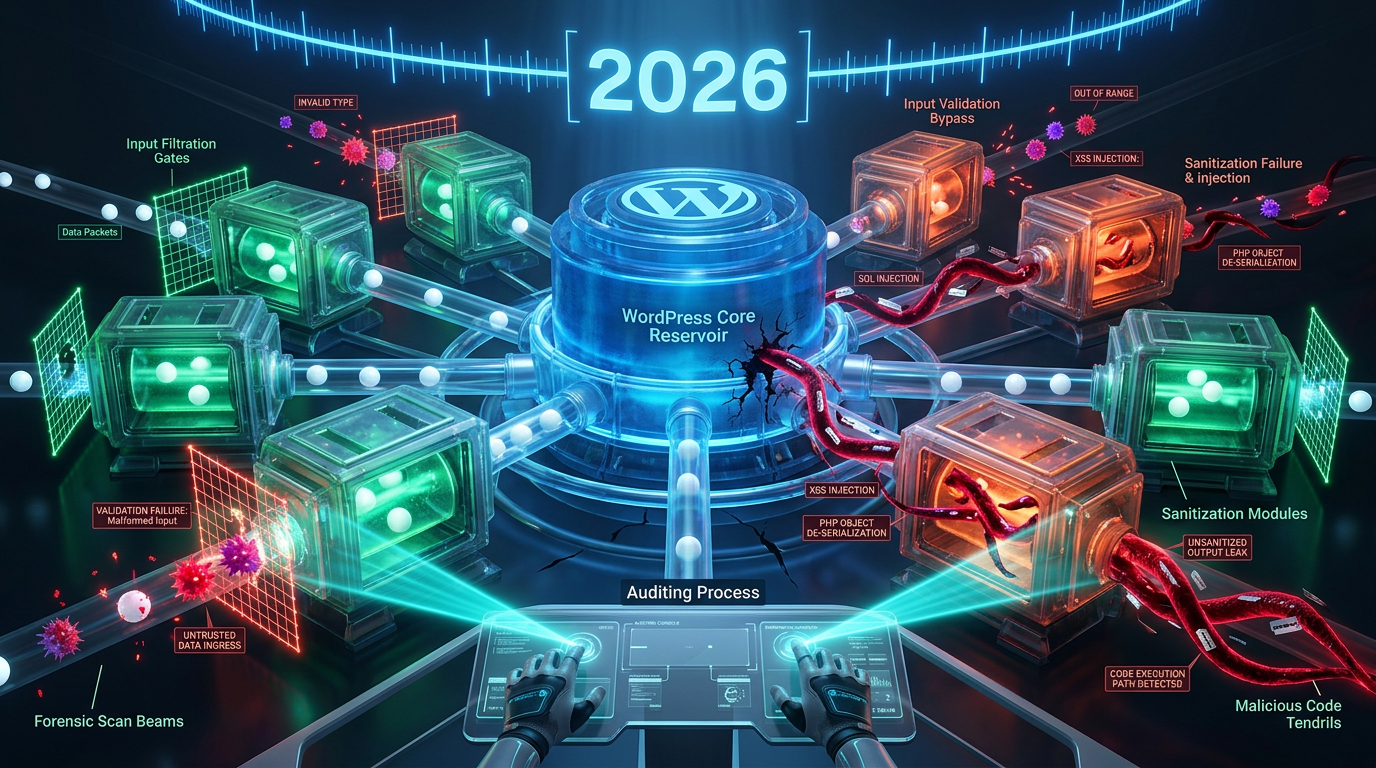
Plugins that interact with browser APIs can be a vector for security threats if not developed and maintained correctly. Excessive permissions requested by a plugin or insecure data handling can lead to privacy breaches or even malicious code execution.
- Data Exposure: Sensitive user data accessed via APIs could be mishandled.
- Cross-Site Scripting (XSS): Insecure input sanitization can lead to JavaScript injection.
- Privilege Escalation: Malicious plugins could exploit API access for unauthorized actions.
Always vet plugins thoroughly, check for recent security audits, and ensure they are actively updated by reputable developers. These proactive measures are essential. More extensive security considerations can be found in discussions around multi-layered security sandboxing in WordPress plugins, especially when dealing with WordPress browser APIs.
Performance Implications of Leveraging Browser APIs
Over-reliance on client-side processing or poorly optimized API calls can negatively impact website performance. This includes slow page loads, increased CPU usage on the client side, and battery drain for mobile users.
- Excessive API Calls: Frequent or unnecessary calls to APIs can bog down the browser.
- Large Data Payloads: Storing too much data in local storage can affect performance.
- Resource-Intensive Operations: Real-time video processing within the browser can be demanding.
Monitor your site's performance regularly using tools like Google PageSpeed Insights. Moreover, consider the trade-offs of additional client-side functionality carefully, particularly when implementing new WordPress browser APIs.
Compatibility Issues and Outdated Code
Browser APIs evolve, and different browsers implement them with varying degrees of support. An outdated plugin might rely on deprecated API features or fail to provide adequate polyfills, leading to broken functionality for some users.
- Browser Specific Bugs: Features working in Chrome but failing in Firefox or Safari.
- API Deprecation: Relying on older API versions that browsers no longer fully support.
- WordPress Core Conflicts: Poorly coded plugins can conflict with core WordPress updates.
Regularly update plugins and WordPress core. Furthermore, test your site across multiple browsers and devices after any significant change, ensuring your WordPress browser APIs integrations remain functional.
The Future of WordPress Browser APIs in 2026 and Beyond
The trajectory for WordPress browser APIs is one of increasing sophistication and integration. As browsers continue to gain capabilities, the potential for WordPress to act as a platform for rich, application-like experiences grows exponentially. We can anticipate even deeper integration with emerging web standards.
Progressive Web Apps (PWAs) & Service Workers
The synergy between WordPress and Progressive Web Apps (PWAs) is becoming more pronounced. Service Workers, a core browser API, enable offline capabilities, push notifications, and faster loading times. Expect more WordPress PWA plugins to emerge, making it easier to convert standard sites into app-like experiences.
PWAs are not just a trend; they represent a significant step towards bridging the gap between web and native applications, offering reliability, speed, and engagement. You can find more comprehensive information on Progressive Web Apps on MDN Web Docs. The role of WordPress browser APIs in this evolution is critical.
WebXR and Augmented/Virtual Reality Integrations
While still in its nascent stages, the WebXR Device API holds potential for WordPress sites in specialized niches. Imagine real estate websites offering virtual tours directly in the browser or e-commerce sites allowing users to "try on" products using augmented reality. As browser support matures, plugins will inevitably begin to explore these possibilities, powered by WordPress browser APIs.
This will be particularly relevant for industries focused on immersive experiences and 3D content, allowing for a more engaging user interaction directly within the website.
Enhanced Privacy Controls and User Consent
With increasing concerns about data privacy, browsers are continually enhancing their permission models for accessing sensitive APIs. Plugins leveraging WordPress browser APIs will need to be meticulously designed to respect user consent, provide clear explanations for data access, and adhere to regulations like GDPR and CCPA. Transparency will be key to user adoption and trust.
This includes clear consent dialogs and easily accessible privacy settings within the WordPress admin for plugin configurations.
In conclusion, the landscape of WordPress browser APIs in 2026 is dynamic and full of opportunities. By understanding the underlying technologies, carefully selecting and configuring plugins, and staying vigilant about security and performance, WordPress site owners can harness these silent virtuosos to create truly compelling and modern web experiences.
Frequently Asked Questions

Written by Aras Akıncılar
Uzun yıllara dayanan WordPress deneyimine sahip bir siber güvenlik uzmanı olarak, eklenti ekosisteminin derinlemesine analizine odaklanıyorum. Güvenlik açıkları, performans düşüşleri ve uyumluluk sorunları üzerine hazırladığım makalelerle, WordPress kullanıcılarının sitelerini daha güvenli ve verimli hale getirmelerine yardımcı olmayı hedefliyorum.