Understanding WordPress Data Visualization Plugin Security in 2026
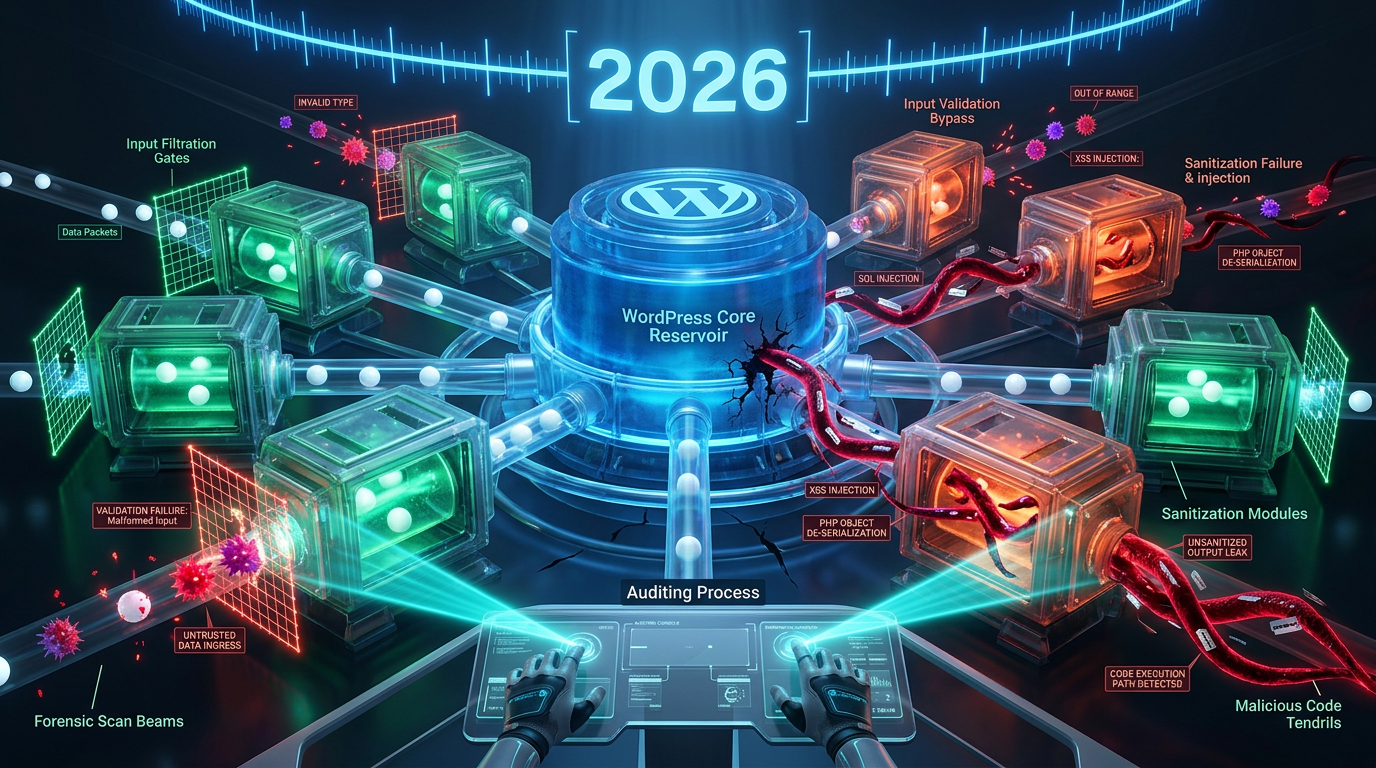
In the dynamic digital landscape of 2026, where data is king and insights are currency, WordPress websites heavily rely on plugins to transform raw numbers into compelling visual narratives. This article delves into the critical aspect of WordPress data visualization plugin security, exploring how these silent storytellers, while enriching your content, can also introduce vulnerabilities if not chosen and managed carefully. We'll unmask the potential dangers and equip you with best practices to safeguard your valuable data and website integrity.
For a broader understanding of how plugins orchestrate complex functionalities, consider how WordPress plugins are orchestrating advanced browser APIs and device functionality in 2026.
The Evolving Threat Landscape for WordPress Data Visualization Plugin Security
The year 2026 has witnessed a continued increase in sophisticated cyber threats. WordPress, being the most popular CMS globally, remains a prime target. Data visualization plugins, by their very nature, often handle sensitive information and connect to various data sources, making them attractive targets for malicious actors. Understanding this evolving threat landscape is paramount for maintaining robust WordPress data visualization plugin security. This extends beyond just data visualization, impacting areas like haptic feedback and multi-sensory experiences dictating WordPress plugins as well, as they too often interact with sensitive client-side data.
Common Vulnerabilities in Data Visualization Plugins
Several types of vulnerabilities frequently plague data visualization plugins. These can range from minor annoyances to critical security breaches. Protecting against them is crucial for any website administrator, especially when considering WordPress data visualization plugin security.
- Injection Vulnerabilities: SQL injection or Cross-Site Scripting (XSS) can allow attackers to manipulate databases or inject malicious scripts into your website.
- Insecure Direct Object References (IDOR): This allows unauthorized users to access sensitive data by simply changing a parameter in a URL.
- Broken Access Control: Flaws in authorization mechanisms can permit users to perform actions they shouldn't, potentially exposing data or site settings.
- Insufficient Logging and Monitoring: A lack of proper logging makes it difficult to detect, investigate, and respond to security incidents.
- Backdoors and Malicious Code: Occasionally, plugins can be intentionally or unintentionally designed with hidden access points or contain malicious code.
The Impact of Outdated Code and Third-Party Dependencies on Data Security
Outdated plugin code is a significant contributor to security vulnerabilities. Developers frequently release updates to patch newly discovered weaknesses. Similarly, many data visualization plugins rely on third-party libraries and APIs. If these dependencies are not regularly updated or are themselves insecure, they can introduce critical vulnerabilities to your WordPress site. Staying vigilant about updates is a cornerstone of effective WordPress data visualization plugin security. This proactive stance is mirrored in how sites also need to consider uncovering relict code and zombie functions in WordPress plugins, as these can also harbor dormant threats.
Best Practices for Enhancing WordPress Data Visualization Plugin Security
Mitigating the risks associated with data visualization plugins requires proactive measures and adherence to best practices. By implementing these strategies, you can significantly bolster your website's defenses in 2026 and beyond, ensuring robust WordPress data visualization plugin security.
Careful Selection and Vetting of Plugins
The first line of defense is choosing reputable and secure plugins. Don't just pick the first option you find. Thoroughly research potential plugins before installation. This involves looking at several key indicators of trustworthiness for optimal WordPress data visualization plugin security.
- Reputation of the Developer: Opt for plugins from established developers with a track record of security and regular updates.
- Reviews and Ratings: Check user reviews for any reported security issues or vulnerabilities.
- Last Updated Date: A recently updated plugin indicates active development and ongoing security maintenance.
- Compatibility: Ensure the plugin is compatible with the latest version of WordPress and your other installed plugins to avoid conflicts and potential security holes.
- Number of Active Installations: While not a definitive indicator, widely used plugins often undergo more scrutiny and bug fixing.
Regular Updates and Patch Management
Keeping all your WordPress components, including themes, core, and especially plugins, up to date is non-negotiable. Updates often include critical security patches. Ignoring these updates leaves your site exposed to known vulnerabilities, making it an easy target for attackers. Implement a consistent schedule for checking and applying updates. This is crucial for maintaining strong WordPress data visualization plugin security.
Limiting Permissions and Secure Configurations
Many data visualization plugins require specific permissions to function correctly. However, it's vital to ensure these permissions are not excessive. Granting a plugin more access than it truly needs can increase the attack surface. Furthermore, always configure plugins securely, disabling any unnecessary features or functionalities that could pose a risk to your WordPress data visualization plugin security.
- Principle of Least Privilege: Grant plugins only the minimum permissions required for their operation.
- Review Plugin Settings: Thoroughly examine all plugin settings and disable features you don't use.
- Strong Passwords and User Roles: Ensure all WordPress users have strong, unique passwords, and assign appropriate user roles to limit access.
Auditing and Monitoring for WordPress Data Visualization Plugin Security Threats
Even with careful selection and regular updates, continuous auditing and monitoring are essential to detect and respond to potential security threats. In 2026, sophisticated attack methods necessitate constant vigilance for WordPress data visualization plugin security.
Security Audits and Penetration Testing
Regular security audits, either manually or using automated tools, can help identify vulnerabilities within your plugins and overall WordPress installation. For critical websites handling sensitive data, consider professional penetration testing to simulate real-world attacks and uncover hidden weaknesses related to WordPress data visualization plugin security. For a deeper dive into website security, especially regarding potential vulnerabilities, you might find valuable insights in articles discussing the OWASP Top 10 web application security risks, which continues to be a relevant resource in 2026.
- Vulnerability Scanners: Utilize tools that automatically scan your website for known vulnerabilities in plugins and themes.
- Security Plugins: Install reputable WordPress security plugins that offer features like firewall protection, malware scanning, and activity logging.
- Code Reviews: If you use custom-developed data visualization solutions, perform regular code reviews to identify potential security flaws.
Implementing Strong Monitoring and Alerting Systems
Effective monitoring allows you to detect suspicious activity in real-time. This includes tracking file changes, login attempts, and database alterations. Setting up alerts ensures you are immediately notified of any potential security breaches or anomalies related to your data visualization components, enhancing overall WordPress data visualization plugin security.
- Activity Logs: Keep detailed logs of all user and plugin activity on your WordPress site.
- Intrusion Detection Systems (IDS): Consider implementing an IDS to monitor network traffic for malicious patterns.
- Email and SMS Alerts: Configure your security systems to send immediate alerts via email or SMS for critical events.
The Future of WordPress Data Visualization Plugin Security: AI and Proactive Defense
Looking ahead in 2026, the landscape of WordPress data visualization plugin security is increasingly influenced by artificial intelligence and machine learning. These technologies are poised to revolutionize how we protect our digital assets. This shift is also crucial for understanding how WordPress plugins are micro-orchestrators of Edge AI Inference, which often involves the processing of sensitive data at the network's edge.
Leveraging AI for Threat Detection
AI-powered security solutions are becoming more prevalent, offering advanced threat detection capabilities. These systems can analyze vast amounts of data, identify patterns indicative of malicious behavior, and predict potential attacks before they occur. This proactive approach significantly enhances the ability to safeguard data visualization plugins and improve WordPress data visualization plugin security.
- Behavioral Analytics: AI can establish baselines of normal plugin behavior and flag deviations as potential threats.
- Predictive Security: Machine learning algorithms can identify emerging attack vectors and proactively recommend countermeasures.
- Automated Incident Response: In some cases, AI can automate aspects of incident response, reducing the time to mitigate threats.
The Role of Secure Development Practices
Ultimately, the long-term security of data visualization plugins rests on the shoulders of developers. Adhering to secure coding practices from the outset is crucial. This includes input validation, secure API usage, proper error handling, and regular security audits of their own codebases. As WordPress continues to evolve, so too must the commitment to security throughout the entire plugin development lifecycle, ensuring that WordPress data visualization plugin security remains a top priority. For developers keen on robust security practices, resources like the PortSwigger Web Security Academy provide excellent, up-to-date training that is highly relevant in 2026.
Frequently Asked Questions

Written by Aras Akıncılar
Uzun yıllara dayanan WordPress deneyimine sahip bir siber güvenlik uzmanı olarak, eklenti ekosisteminin derinlemesine analizine odaklanıyorum. Güvenlik açıkları, performans düşüşleri ve uyumluluk sorunları üzerine hazırladığım makalelerle, WordPress kullanıcılarının sitelerini daha güvenli ve verimli hale getirmelerine yardımcı olmayı hedefliyorum.