The Silent Emissaries: Unmasking Cross-Cloud & Hybrid Deployment Risks in WordPress Hybrid Cloud Plugins (2026)
In the dynamic landscape of web development in 2026, businesses are increasingly leveraging the power of hybrid cloud architectures to enhance scalability, flexibility, and disaster recovery for their WordPress websites. This shift has led to a surge in demand for specialized WordPress hybrid cloud plugins. While these tools promise seamless integration and improved performance across diverse environments, they also introduce a unique set of risks that often go unmasked. Understanding these potential pitfalls is crucial for maintaining a secure, stable, and high-performance WordPress site in a hybrid cloud setup.
Understanding WordPress Hybrid Cloud Plugins and Their Appeal
WordPress hybrid cloud plugins are designed to bridge the gap between traditional on-premise hosting and public cloud services, or even across multiple cloud providers. They facilitate tasks like content synchronization, database replication, load balancing, and automated scaling across these disparate infrastructures. The appeal is clear: gain the control and security of a private cloud with the elasticity and cost-effectiveness of a public cloud.
Many organizations are adopting hybrid strategies to comply with data residency regulations, optimize resource utilization, or create robust failover mechanisms. The right set of WordPress hybrid cloud plugins can make this complex orchestration manageable, offering centralized management and streamlined workflows.
The Core Functionalities of Hybrid Cloud Plugins
- Data Synchronization & Replication: Ensuring that content, media, and database entries are consistent across all environments.
- Load Balancing & Traffic Management: Distributing incoming web traffic evenly to prevent overload on any single server.
- Automated Scaling: Dynamically adjusting resources (servers, CPU, RAM) based on real-time traffic demands.
- Multi-Environment Deployment: Facilitating deployments and updates across staging, testing, and production environments across different clouds.
- Backup & Disaster Recovery: Implementing robust backup solutions that span multiple cloud locations for resilience.
Security Vulnerabilities in WordPress Hybrid Cloud Plugins
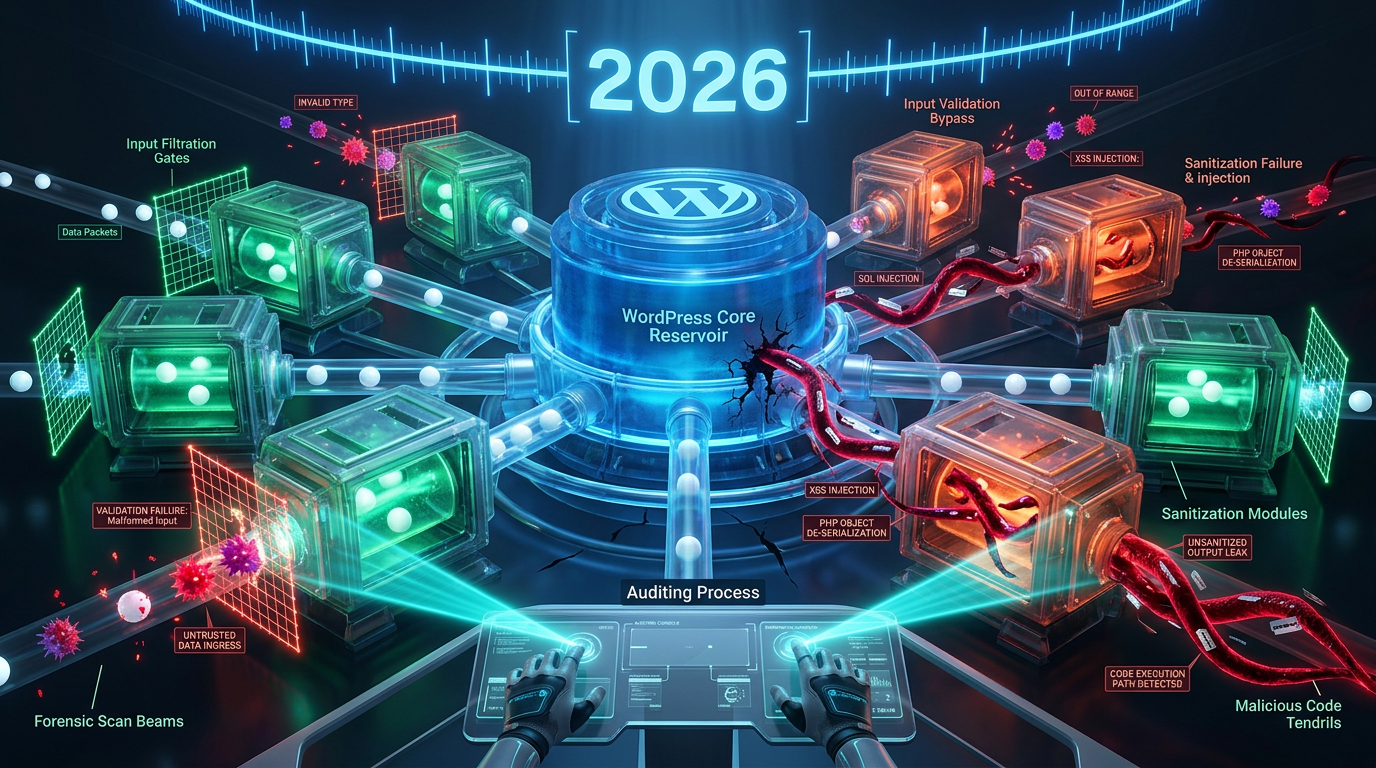
While offering significant advantages, the interconnected nature of WordPress hybrid cloud plugins inherently expands the attack surface, creating new avenues for security breaches. The complexity of cross-cloud communication and data transfer often introduces unforeseen vulnerabilities that malicious actors can exploit.
In 2026, sophisticated cyber threats are commonplace, and poorly secured plugins can become the weakest link in an otherwise robust hybrid cloud infrastructure. It's imperative to scrutinize the security posture of any plugin before integration. For a deeper dive into common plugin vulnerabilities, consider reading about authentication bypasses in WordPress plugins.
Common Security Gaps
One major area of concern is insecure configurations. Many plugins, in an effort to be user-friendly, might default to less secure settings or expose administration interfaces without adequate protection. This can lead to unauthorized access to critical cloud resources.
Another significant risk stems from excessive permissions. A plugin designed to manage resources across clouds often requires broad access to various APIs and services. If these permissions are not finely granulated or are overreaching, a compromised plugin could potentially gain control over an entire cloud environment, leading to data exfiltration or service disruption. Furthermore, assessing cryptographic security in WordPress plugins is critical to protect sensitive data in transit and at rest.
- API Key Exposure: Hardcoded or poorly protected API keys for cloud services can be a goldmine for attackers.
- Cross-Site Scripting (XSS) & SQL Injection: Classic web vulnerabilities can still plague certain plugins, especially those that handle user input or database queries across hybrid setups.
- Insecure Data Transmission: Unencrypted communication between different cloud environments or between the plugin and its external services can lead to man-in-the-middle attacks.
- Third-Party Dependencies: Plugins often rely on external libraries or services. Vulnerabilities in these dependencies can be inherited by the main plugin, creating a digital supply chain risk.
Performance Issues Introduced by Cross-Cloud Deployments
Even with the best intentions, integrating WordPress hybrid cloud plugins can introduce performance bottlenecks if not carefully managed. The inherent latency in communicating between geographically dispersed cloud regions or between on-premise and cloud servers can significantly impact website speed and responsiveness.
Website performance is a critical factor for user experience and search engine rankings in 2026. Any degradation can lead to lost revenue and a diminished brand reputation. For more insights on performance impacts, consider exploring how digital pollution from WordPress plugins can affect your site.
Latency and Resource Overhead
Data synchronization, a core function of many WordPress hybrid cloud plugins, can be particularly resource-intensive. Constantly replicating large databases or media libraries across different clouds can consume significant network bandwidth and processing power, leading to slower page load times.
Furthermore, complex load-balancing algorithms or resource monitoring tools within these plugins can add their own overhead, impacting the overall efficiency of your WordPress installation. Poorly optimized plugins might execute unnecessary queries or make redundant API calls, further straining system resources.
Consider the following aspects:
- Network Latency: The time it takes for data to travel between different cloud zones can impact database queries and content delivery.
- Database Synchronization Overhead: Continuous replication of database changes can lock tables or cause delays.
- Caching Invalidation Issues: In a hybrid setup, ensuring consistent caching across all environments can be challenging, leading to stale content or unnecessary cache regeneration.
- Resource Contention: Plugins consuming too many CPU cycles or memory can starve other critical WordPress processes.
Compatibility Challenges and Maintenance Overhead
The WordPress ecosystem is a constantly evolving landscape. New versions of WordPress, themes, and other plugins are released regularly. Ensuring that your selected WordPress hybrid cloud plugins remain compatible with all other components is a complex and ongoing challenge.
In 2026, neglecting compatibility can lead to critical errors, website downtime, and security vulnerabilities. The maintenance burden of managing a hybrid cloud WordPress site with multiple plugins is significantly higher than a traditional single-server setup. Understanding WordPress plugin maintenance and obsolescence is key here.
Outdated Code and Ecosystem Drift
A common problem is outdated code. Developers of hybrid cloud plugins must constantly adapt to changes in cloud provider APIs, WordPress core updates, and security best practices. Plugins that are not regularly updated can quickly become incompatible, leading to broken functionalities or, worse, open security holes.
Moreover, different cloud providers have unique authentication methods, API structures, and service offerings. A plugin that works perfectly with one cloud might not be fully compatible or optimized for another, adding layers of complexity when dealing with multi-cloud or hybrid scenarios.
Key compatibility concerns include:
- WordPress Core Updates: Major WordPress releases can break plugin functionalities if not kept up-to-date.
- Cloud Provider API Changes: Cloud services frequently update their APIs, requiring plugin developers to adapt.
- Theme & Other Plugin Conflicts: Interactions between multiple plugins can lead to unexpected errors or silent failures, especially in complex hybrid environments.
- PHP Version Compatibility: Ensuring the plugin supports the PHP version running on all hybrid cloud instances.
- Testing Across Environments: The challenge of thoroughly testing all functionalities across diverse cloud and on-premise environments.
Best Practices for Mitigating Risks with WordPress Hybrid Cloud Plugins
While the risks associated with WordPress hybrid cloud plugins are real, they are not insurmountable. By adopting a proactive and informed approach, you can harness the power of hybrid cloud for your WordPress site safely and efficiently in 2026.
Strategic Selection and Ongoing Management
The first step is a rigorous selection process. Do not just pick the first plugin you find. Research thoroughly, read reviews, and examine the developer's track record. Prioritize plugins from established developers with a history of regular updates, good support, and transparent security practices.
Once a plugin is deployed, ongoing vigilance is key. This includes regular security audits, performance monitoring, and staying abreast of updates from both the plugin developer and your cloud providers. Implement a robust patching strategy and never run outdated WordPress hybrid cloud plugins.
- Thorough Research & Vetting: Evaluate the plugin's reputation, support, update frequency, and security audit history. A good external resource for plugin reviews is WordPress.org's plugin directory.
- Principle of Least Privilege: Configure plugins with only the necessary permissions and access rights to your cloud resources.
- Regular Updates: Keep all WordPress core, themes, and plugins, especially WordPress hybrid cloud plugins, updated to their latest versions.
- Security Audits & Penetration Testing: Periodically audit your hybrid cloud WordPress setup, including plugin configurations. Resources like the OWASP Top 10 can provide insights into common web application vulnerabilities.
- Performance Monitoring: Implement continuous monitoring to detect any performance degradation or resource spikes.
- Comprehensive Backups: Maintain a granular backup strategy that encompasses all hybrid cloud environments and allows for easy rollback.
- Use a Staging Environment: Always test plugin updates and configurations in a staging environment mirroring your production setup before deploying live.
By carefully evaluating, deploying, and maintaining your WordPress hybrid cloud plugins, you can ensure that these powerful tools truly empower your WordPress site rather than exposing it to unnecessary risks in the ever-evolving digital landscape of 2026.
Frequently Asked Questions

Written by Aras Akıncılar
Uzun yıllara dayanan WordPress deneyimine sahip bir siber güvenlik uzmanı olarak, eklenti ekosisteminin derinlemesine analizine odaklanıyorum. Güvenlik açıkları, performans düşüşleri ve uyumluluk sorunları üzerine hazırladığım makalelerle, WordPress kullanıcılarının sitelerini daha güvenli ve verimli hale getirmelerine yardımcı olmayı hedefliyorum.