Future-Proofing Your WordPress: Essential WordPress Plugin Auditing Strategies for 2026
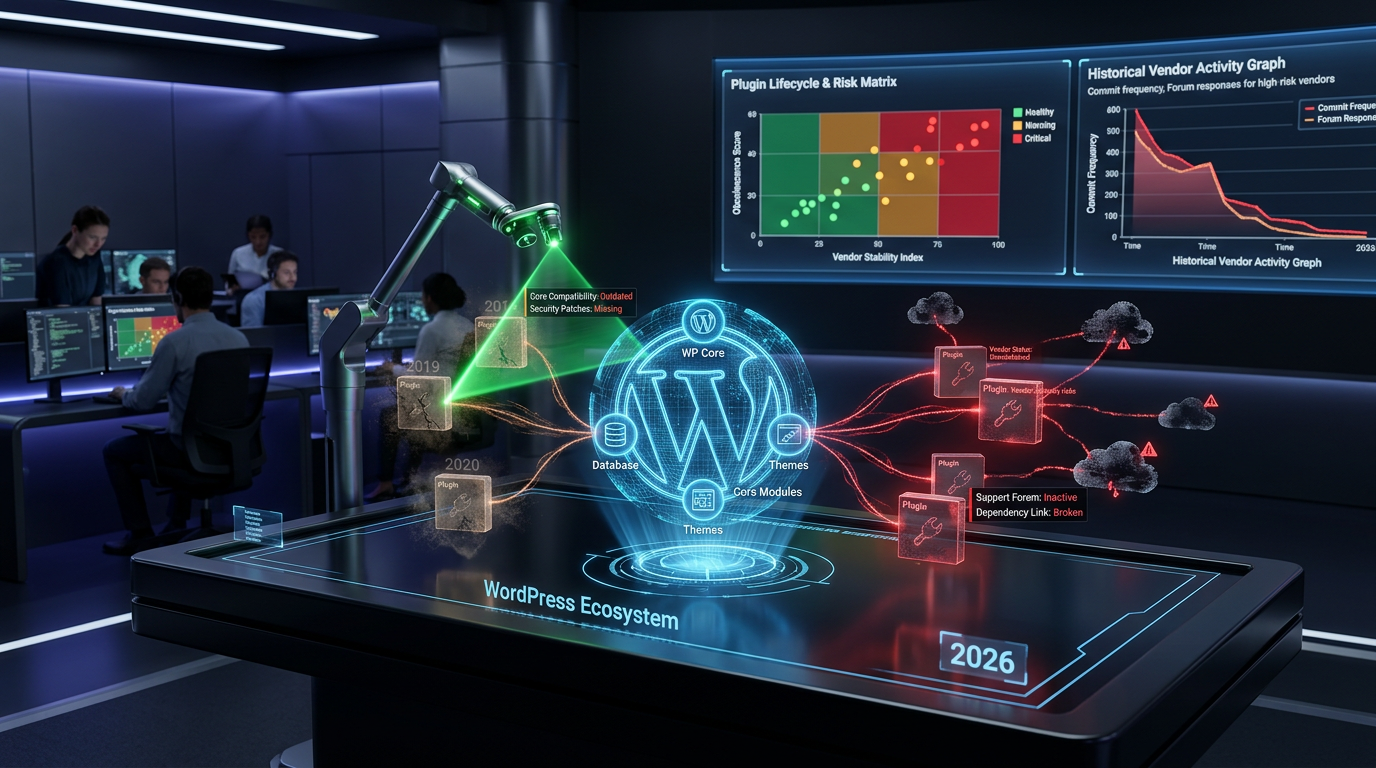
In the rapidly evolving digital landscape of 2026, maintaining a secure, performant, and stable WordPress website is more critical than ever. A fundamental aspect of this maintenance revolves around regular and thorough WordPress plugin auditing. This deep dive into your plugin ecosystem is not just a recommendation; it's a necessity to safeguard your site against potential threats, performance bottlenecks, and compatibility issues that can undermine your online presence.
Why WordPress Plugin Auditing is Non-Negotiable in 2026
The sheer volume and variety of WordPress plugins available mean that while they offer incredible functionality, they also introduce potential vulnerabilities. Every plugin, at its core, is a piece of code that interacts with your website's core and often with third-party services. Without proper scrutiny, these interactions can lead to severe consequences for your site's integrity and user experience.
With an increasing number of cyber threats and stringent data privacy regulations (like GDPR and CCPA still highly relevant), failing to conduct regular WordPress plugin auditing can result in data breaches, SEO penalties, and significant reputational damage. Proactive measures are always more effective and less costly than reactive damage control. For a deeper understanding of potential risks, explore WordPress Plugin Security: Fundamental Risks and Precautions.
Understanding the Risks: Security, Performance, and Compatibility
- Security Vulnerabilities: Plugins can contain flaws like SQL injection vulnerabilities, cross-site scripting (XSS), or insecure direct object references that hackers can exploit. Outdated code is a prime culprit. Learn more about these dangers in our article on WordPress Plugin Vulnerabilities and Protection.
- Performance Issues: Poorly coded plugins, excessive database queries, or unoptimized assets can significantly slow down your website, leading to higher bounce rates and poorer search engine rankings.
- Compatibility Problems: Conflicts between plugins, or between a plugin and your WordPress core or theme, can lead to broken functionalities, white screens of death, or even inaccessible websites.
Common Plugin-Related Threats Addressed by Auditing
Effective WordPress plugin auditing goes beyond simply checking for updates. It involves a systematic examination of various aspects that can pose significant risks to your website. Understanding these threats is the first step towards mitigating them.
Outdated Code and Security Patches
One of the most prevalent threats comes from outdated plugins. Developers frequently release updates that include security patches for newly discovered vulnerabilities. If you're not using the latest version, your site remains exposed. Regular auditing helps identify and address these outdated components promptly.
It's vital to ensure that all plugins are actively maintained by their developers. A plugin that hasn't been updated in several years is a red flag, indicating a lack of ongoing support and an increased likelihood of unpatched vulnerabilities.
Insecure Configurations and Excessive Permissions
Many plugins, especially during initial setup, might require permissions or configurations that are overly broad. For instance, a plugin might request write access to critical WordPress files when it only needs to write to its own directory. An audit will highlight such over-permissions, allowing you to tighten security settings.
- Reviewing File Permissions: Ensuring that plugin files and folders have appropriate, restrictive permissions.
- Examining Database Access: Understanding what tables and data a plugin can access and modify.
- Checking Configuration Options: Making sure default, often insecure, settings are not left in place.
Third-Party Dependencies and Supply Chain Risks
Modern plugins often rely on third-party libraries, APIs, or services. While these dependencies can enhance functionality, they also introduce a 'supply chain' risk. A vulnerability in a third-party component can compromise the plugin, and by extension, your website.
A comprehensive WordPress plugin auditing process should investigate these dependencies, checking for their security, licensing implications, and maintenance status. This extended vigilance is paramount in 2026, given the rise of sophisticated supply chain attacks. Dive deeper into this topic with The Invisible Threats: Unmasking WordPress Plugin Supply Chain Risks in 2026.
Best Practices for Conducting a Thorough WordPress Plugin Auditing
Implementing a routine for WordPress plugin auditing is crucial. This isn't a one-time task but an ongoing commitment to your website's health and security. Here are some best practices to guide your auditing process for 2026:
Regular Inventory and Usage Review
Start by creating a comprehensive inventory of all installed plugins, both active and inactive. For each plugin, ask yourself: Is this plugin still necessary? Is it actively used? Many sites accumulate inactive plugins over time, which, even if inactive, can still pose potential security risks or slow down your WordPress dashboard.
- Purpose Assessment: Clearly define the purpose of each plugin and if it aligns with your current website needs.
- Consolidate and Eliminate: If multiple plugins offer similar functionality, choose the most efficient and secure one and remove the others. Consider the WordPress Plugin Performance & Security Trade-offs in 2026 when making these decisions.
- Scheduled Reviews: Commit to reviewing your plugin inventory at least once every quarter.
Security Analysis and Vulnerability Scanning
Utilize security scanning tools and services specifically designed for WordPress. These tools can automatically detect known vulnerabilities in plugins, identify outdated versions, and flag potential misconfigurations. While manual code review might be necessary for custom or lesser-known plugins, automated scans provide an essential first line of defense.
Keep an eye on security advisories from reputable sources like WPScan Vulnerability Database. Cross-referencing your plugin list with these advisories can quickly highlight critical issues. Prioritize patching or replacing plugins with known, unpatched vulnerabilities.
Performance Benchmarking and Optimization
Plugins are a frequent cause of website slowdowns. During your WordPress plugin auditing, measure your site's performance before and after disabling plugins one by one (on a staging environment, of course). Tools like Google PageSpeed Insights, GTmetrix, or Pingdom can help identify performance bottlenecks introduced by specific plugins.
Look for plugins that execute excessive queries, load large unoptimized scripts or styles, or have inefficient caching mechanisms. Consider lightweight alternatives or optimize their configuration to minimize their impact on your site's loading speed.
Leveraging Tools for Efficient WordPress Plugin Auditing
In 2026, a wide array of tools can significantly streamline your WordPress plugin auditing process. From security scanners to performance monitors, these tools empower you to conduct thorough audits without needing to manually inspect every line of code.
Security Scanning Plugins and Services
Dedicated WordPress security plugins like Wordfence, Sucuri, and iThemes Security offer features such as vulnerability scanning, malware detection, and file integrity monitoring. These are invaluable for continuous monitoring and identifying potential issues flagged during an audit.
For a deeper dive, consider using external security scanning services which provide more comprehensive analyses and can often detect zero-day vulnerabilities or more complex exploits. These services often provide detailed reports that aid in remediation.
Performance Monitoring and Debugging Tools
Browser developer tools (Chrome DevTools, Firefox Developer Tools) are excellent for identifying resources loaded by plugins and their impact on page load times. WordPress debugging plugins like Query Monitor can provide insights into database queries, HTTP API calls, and PHP errors introduced by plugins, helping pinpoint performance culprits.
Utilizing a staging environment is critical for any performance testing or debugging. This allows you to safely disable and enable plugins, modify configurations, and test updates without affecting your live website's user experience.
The Future of WordPress Plugin Auditing: Proactive & Integrated
As WordPress continues to evolve, so too must our approach to plugin management. In 2026 and beyond, the emphasis for WordPress plugin auditing will increasingly be on proactive and integrated solutions. This means moving beyond reactive fixes to preventative measures that are seamlessly woven into your website's development and maintenance lifecycle.
Consider integrating automated security and performance checks into your continuous integration/continuous deployment (CI/CD) pipelines. This ensures that no new plugin or plugin update goes live without passing stringent security and performance benchmarks. Furthermore, actively engaging with the WordPress community and plugin developers for feedback and security disclosures will become even more vital. For guidance on secure integrations, see Navigating the WordPress Plugin Minefield: A Guide to Secure & Stable Integrations in 2026.
By adopting these advanced strategies for WordPress plugin auditing, you can ensure your WordPress website remains a robust, secure, and high-performing asset for years to come.
Frequently Asked Questions

Written by Aras Akıncılar
Uzun yıllara dayanan WordPress deneyimine sahip bir siber güvenlik uzmanı olarak, eklenti ekosisteminin derinlemesine analizine odaklanıyorum. Güvenlik açıkları, performans düşüşleri ve uyumluluk sorunları üzerine hazırladığım makalelerle, WordPress kullanıcılarının sitelerini daha güvenli ve verimli hale getirmelerine yardımcı olmayı hedefliyorum.