The Silent Cartographers: Unmasking WordPress Plugins That Redefine WordPress Plugin Network Topology in 2026
In the dynamic landscape of web development, understanding the underlying structure of your digital ecosystem is paramount. This year, 2026, we're seeing an unprecedented demand for tools that offer granular insight into website architecture, particularly how individual components interact. This article delves into the fascinating world of how a WordPress plugin network topology can be influenced, analyzed, and even optimized. We’ll explore plugins that act as "silent cartographers," revealing crucial structural information and highlighting potential risks within your WordPress site's interconnected systems. A robust understanding of your network topology is essential for security, performance, and overall site health.
For a deeper dive into how plugins orchestrate different site functions, explore The Silent Choreographers: Unmasking WordPress Plugins That Orchestrate Background Tasks & System Processes in 2026.
Understanding Your WordPress Plugin Network Topology: Why It Matters
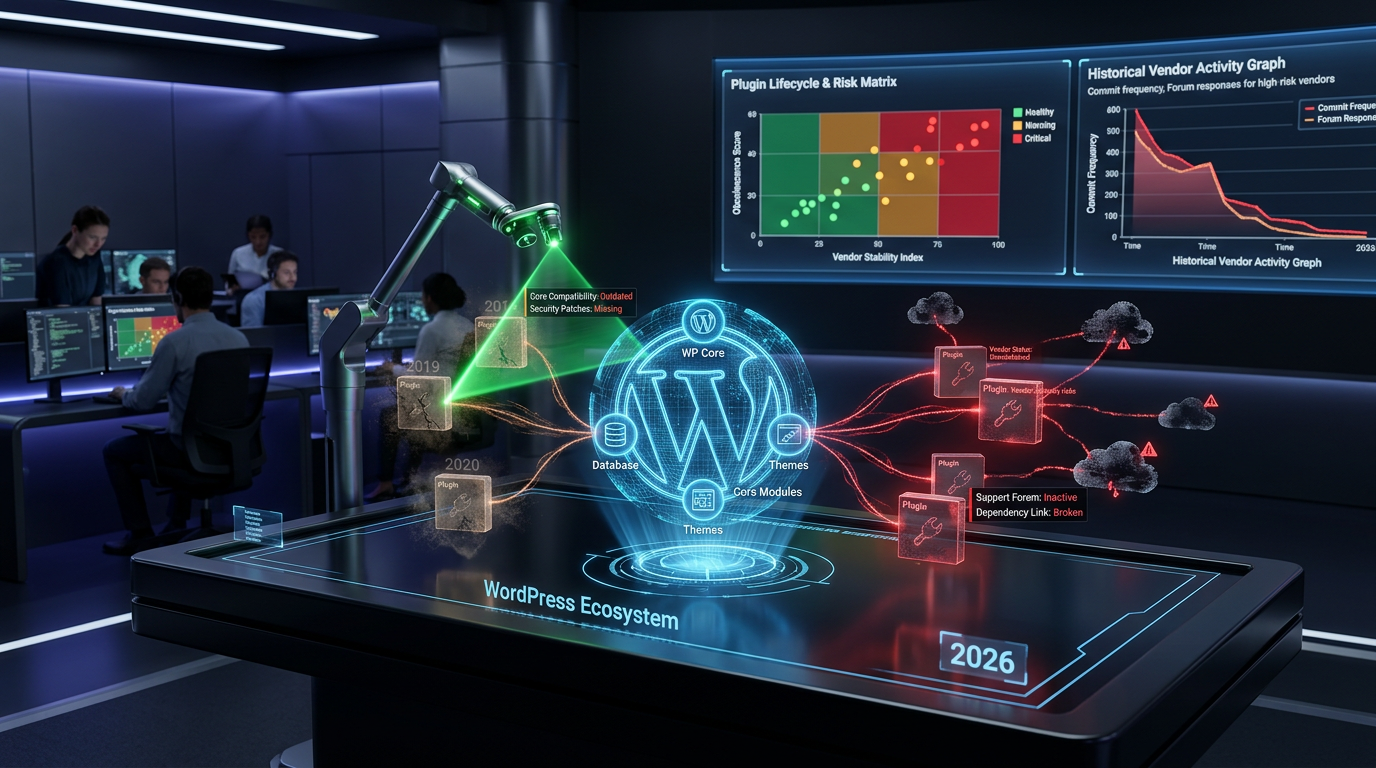
Every WordPress website is a complex web of interconnected elements: themes, core files, and, most significantly, plugins. These plugins don't exist in isolation; they often interact with each other, with external services, and with your database, forming a distinct WordPress plugin network topology. Visualizing and understanding this topology is critical for several reasons.
Without clear insight, managing a WordPress site can feel like navigating a maze blindfolded. Identifying dependencies, potential bottlenecks, and security vulnerabilities becomes a Herculean task. As websites grow in complexity, the importance of these insights only amplifies. It's about knowing exactly what's communicating with what, and how. Effective management of your WordPress plugin network topology is key to a healthy site.
The Hidden Connections of Your Plugins
- Dependencies: Many plugins rely on others to function correctly. Mapping these dependencies helps prevent "breaking" your site by deactivating a crucial underlying plugin. Unexpected downtime is a significant risk.
- External API Calls: Plugins frequently communicate with third-party services (e.g., payment gateways, social media APIs, analytics platforms). Understanding these outbound connections is vital for data privacy and security compliance. Learn more about the security implications of external API negotiations.
- Database Interactions: Each plugin interacts with your database in unique ways. Identifying heavy database queries or poorly optimized interactions can reveal performance bottlenecks.
- File System Access: Some plugins require specific file system permissions. Visualizing these access patterns helps identify over-privileged plugins, a common security risk.
Security Implications of an Unseen Topology
A poorly understood WordPress plugin network topology is a playground for attackers. Vulnerabilities in one plugin can be exploited to gain access to others or even the entire system. Timely identification of these interconnected risks is a proactive security measure.
For example, an outdated plugin with a known vulnerability might be connected to a critical e-commerce plugin. An attacker could exploit the former to compromise the latter, leading to data breaches or financial losses. This chain reaction is precisely what mapping your topology aims to reveal and prevent. For comprehensive security insights, consider reading about The Silent Sentinels: How WordPress Plugins Monitor and Thwart Real-time Cyber Attacks in 2026.
Key WordPress Plugin Network Topology Analysis Tools (2026 Edition)
The market for WordPress analysis tools has matured significantly by 2026. Developers and site administrators now have access to sophisticated plugins that help visualize and interpret the complex interactions within their WordPress sites. While no single plugin provides a perfect, real-time animated topological map (yet!), several tools offer invaluable insights into different facets of this network.
These tools often focus on specific aspects like security, performance, or dependency management, each contributing a piece to the overall picture of your WordPress plugin network topology. Choosing the right combination can provide a comprehensive understanding.
Security-Focused Topology Scanners
These plugins primarily focus on identifying potential weak points within your plugin ecosystem that attackers could exploit. They scrutinize permissions, outdated code, and known vulnerabilities.
- WP Vulnerability Checker Pro: In 2026, this plugin has evolved to not only check for known vulnerabilities but also to map out inter-plugin communication paths. It helps identify if a vulnerable plugin can be used as a pivot point to compromise more secure, but connected, components.
- Sucuri Security (Network Scan Module): While primarily a firewall and malware scanner, Sucuri's enhanced network scan module for 2026 provides a high-level overview of external connections initiated by plugins. It flags suspicious outbound traffic, contributing to understanding the external edges of your WordPress plugin network topology. For more information on web security best practices, visit Sucuri's official website.
Performance & Dependency Mappers
Understanding which plugins impact performance and how they depend on each other is crucial for optimization. These tools help visualize resource consumption and inter-plugin relationships.
- Query Monitor (Extended): While not a visual topology tool, the 2026 version of Query Monitor offers detailed insights into database queries initiated by individual plugins, external HTTP requests, and PHP errors. Analyzing this data can reveal hidden interaction points and performance bottlenecks, essentially outlining a performance-based WordPress plugin network topology.
- Plugin Dependencies Visualizer: A newer entrant to the market, this plugin attempts to graphically display which plugins declare dependencies on others. It's an invaluable tool for understanding the "who needs whom" within your installation, especially pertinent for larger sites.
Common Risks Revealed by WordPress Plugin Network Topology Analysis
Unmasking your plugin network topology isn't just an academic exercise; it's a proactive step to mitigate significant risks. By clearly understanding the interconnections, you can identify and address issues before they escalate into major problems. These risks range from minor performance dips to catastrophic security breaches.
Knowing your topology empowers you to make informed decisions about plugin management. It’s like knowing the structural integrity of a building before renovating it – you wouldn’t want to remove a load-bearing wall unwittingly. Analyzing your WordPress plugin network topology is a critical security and performance practice.
Outdated Code and Insecure Configurations
One of the most persistent threats is out-of-date or poorly configured plugins. A WordPress plugin network topology analysis can highlight plugins that haven't been updated in years but are still actively communicating with other, critical systems. Such plugins often contain known vulnerabilities that can be easily exploited.
Insecure configurations, such as unnecessary open ports or permissive file access, are also revealed. These loopholes, especially when connected to other plugins, create entry points for attackers. Regularly scanning for these issues should be a routine part of your maintenance schedule for 2026. Delve deeper into these security concerns with The Silent Script Kiddies: Unmasking Injection Vulnerabilities in WordPress Plugin Hooks (2026).
Excessive Permissions and Third-Party Dependencies
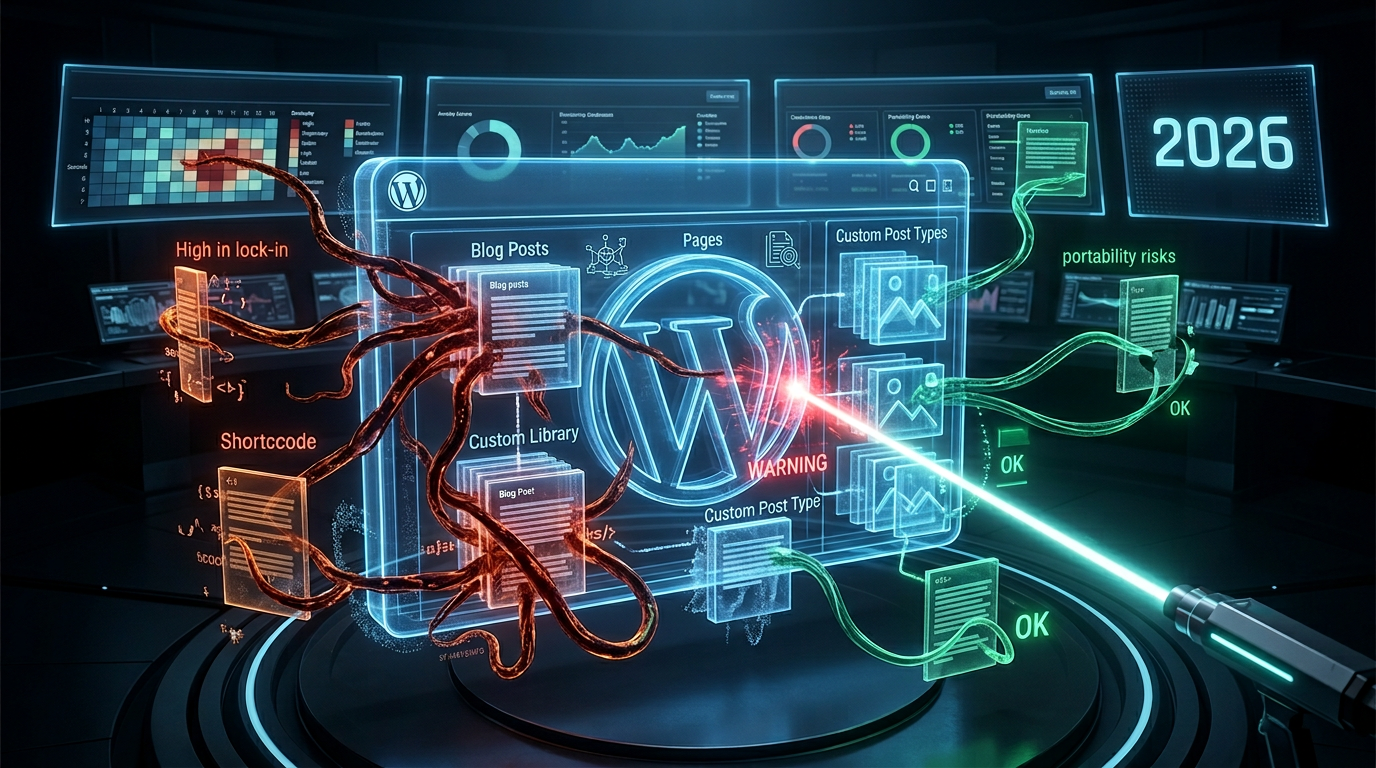
Many plugins request more permissions than they actually need to function. A robust topology analysis helps identify these 'over-privileged' plugins. If such a plugin is compromised, the attacker gains access to a much wider array of system functions, significantly increasing the potential damage.
Furthermore, understanding third-party dependencies – libraries, frameworks, or external services a plugin uses – is crucial. A vulnerability in one of these dependencies can indirectly impact your entire system. Mapping these external connections within your WordPress plugin network topology provides a clearer attack surface model. For a broader perspective on supply chain security, explore NIST's Supply Chain Risk Management guidelines.
Best Practices for Managing Your WordPress Plugin Network Topology in 2026
Armed with the knowledge of how your plugins interact, you can implement best practices to ensure a secure, stable, and high-performing WordPress site. This isn't a one-time task; it's an ongoing process of monitoring, evaluation, and optimization.
The goal is to maintain a lean, efficient, and secure plugin ecosystem. Each plugin added should be carefully considered for its necessity and its potential impact on the overall WordPress plugin network topology.
- Regular Audits: Periodically review all installed plugins. Deactivate and remove any that are no longer necessary or are poorly maintained. A lighter load often means a safer and faster site.
- Dependency Mapping: Utilize tools to understand inter-plugin dependencies. Before deactivating a plugin, ensure it won't break functionality for another essential component. Consider the risks of WordPress Plugin Interoperability & Dependency Conflicts.
- Permission Review: Regularly check the permissions requested and granted to plugins. Restrict access where possible to adhere to the principle of least privilege.
- Monitor External Connections: Keep an eye on external API calls and third-party dependencies. Ensure all external services are reputable and secure. Consider using tools that can limit outbound connections only to approved endpoints.
- Stay Updated: Keep all plugins, themes, and WordPress core updated to their latest versions. Updates often contain critical security patches that directly impact the integrity of your WordPress plugin network topology.
- Staging Environments: Always test plugin installations, updates, and deactivations in a staging environment before deploying to live. This helps catch potential conflicts or breaks in the topology without affecting your active site. For more on staging environments, check out resources like Kinsta's guide on WordPress staging sites.
The Future of WordPress Plugin Network Topology Visualization
Looking ahead in 2026, we anticipate even more sophisticated tools for visualizing and managing the WordPress plugin network topology. Artificial intelligence (AI) and machine learning (ML) are poised to play a larger role, offering predictive analysis and automated recommendations.
Imagine tools that can automatically detect unusual communication patterns, alert you to potential supply chain attacks from compromised third-party dependencies, or even suggest optimal plugin configurations based on your site's specific needs and traffic. The evolution of these analytical capabilities will only strengthen the security and performance of WordPress sites globally.
As WordPress continues to dominate the web, the complexity of its ecosystems will only grow. Tools that help "see" and understand the intricate connections will become indispensable for any serious webmaster or developer. The silent cartographers are becoming louder, clearer, and more insightful, offering unprecedented control over your digital infrastructure. Mastering your WordPress plugin network topology is no longer just an advantage; it's a necessity.
Frequently Asked Questions

Written by Aras Akıncılar
Uzun yıllara dayanan WordPress deneyimine sahip bir siber güvenlik uzmanı olarak, eklenti ekosisteminin derinlemesine analizine odaklanıyorum. Güvenlik açıkları, performans düşüşleri ve uyumluluk sorunları üzerine hazırladığım makalelerle, WordPress kullanıcılarının sitelerini daha güvenli ve verimli hale getirmelerine yardımcı olmayı hedefliyorum.