Optimizing WordPress Plugin User Experience: A 2026 Deep Dive
In the digital landscape of 2026, the success of any WordPress website hinges significantly on its underlying technological infrastructure. Central to this is the often-overlooked yet critical aspect of WordPress plugin user experience. These powerful extensions, while offering immense functionality, also carry the potential to either elevate or degrade a site's usability, performance, and ultimately, its search engine ranking. Understanding how plugins shape the journey for both visitors and administrators is paramount for maintaining a secure, stable, and high-performing WordPress presence.
Understanding the Impact of WordPress Plugin User Experience on Site Performance
The speed and responsiveness of a WordPress website are direct contributors to its overall user experience. Plugins, by their very nature, add code and often database queries, which can introduce overhead. Poorly coded or overly complex plugins can significantly slow down page load times, leading to frustrated users and higher bounce rates.
Recent statistics from early 2026 confirm that site speed remains a top-tier ranking factor for all major search engines. Therefore, evaluating plugins not just for features but also for their performance footprint is crucial.
Performance Bottlenecks Introduced by Plugins
- Excessive Database Queries: Some plugins perform numerous database calls on every page load, straining the server.
- Unoptimized Assets: Large, uncompressed JavaScript or CSS files from plugins can dramatically increase page weight.
- Background Processes: Plugins running intensive background tasks (e.g., image optimization, backups) can consume server resources.
Prioritizing plugins designed for efficiency ensures a smooth WordPress plugin user experience and contributes positively to SEO. For a deeper dive into these performance considerations, explore Beyond the Hype: Deconstructing WordPress Plugin Performance & Security Trade-offs in 2026.
Tools for Monitoring Plugin Performance
To effectively manage and optimize plugin performance, several tools are invaluable in 2026:
- PageSpeed Insights: Google's tool offers insights into performance metrics and identifies areas for improvement, often pinpointing plugin-related issues. You can access it directly via Google PageSpeed Insights.
- GTmetrix: Provides a detailed breakdown of page load times and suggestions for optimization.
- Query Monitor: A free WordPress plugin itself, it helps developers and administrators debug database queries, hooks, conditionals, and more, revealing resource-hungry plugins.
Security Risks and Maintaining a Secure WordPress Plugin User Experience
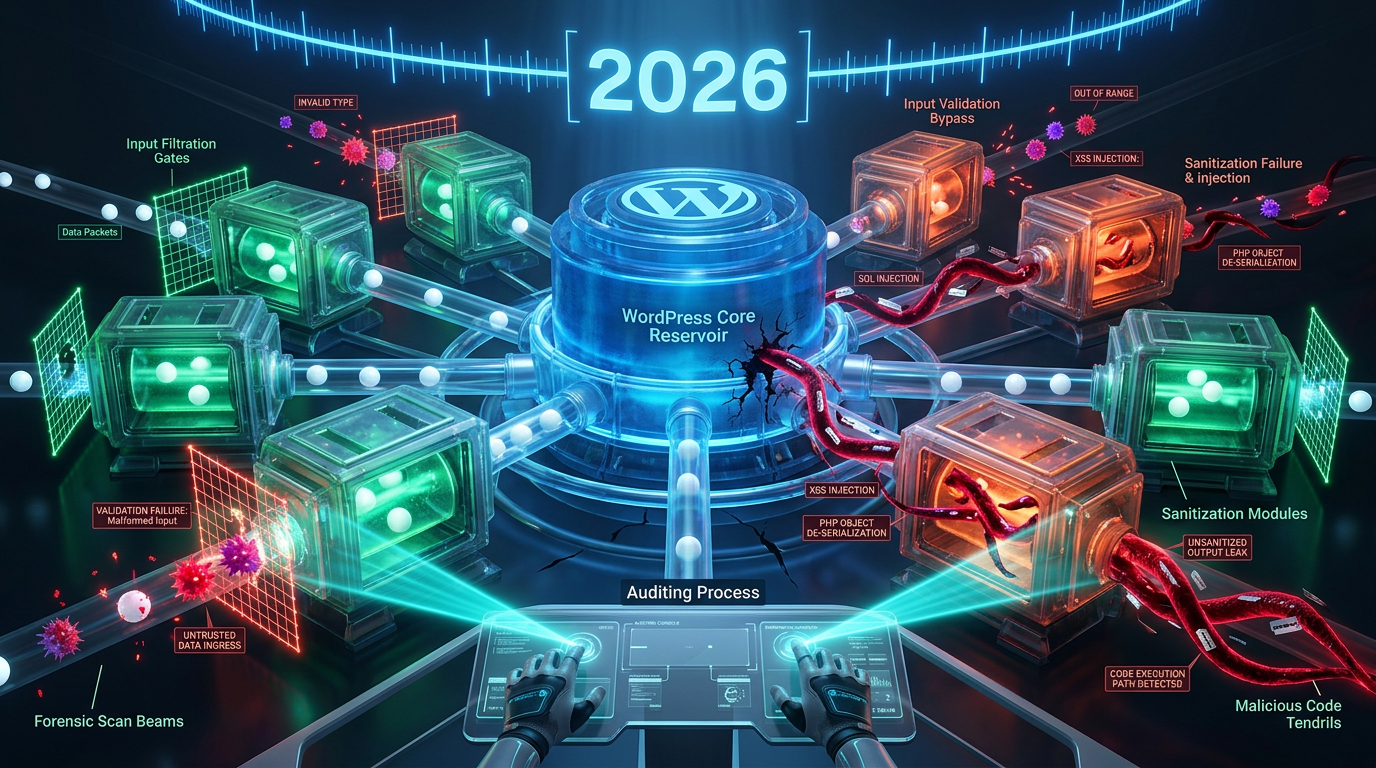
While plugins enhance functionality, they are also a primary entry point for security vulnerabilities. An insecure plugin can compromise an entire website, leading to data breaches, malware infections, and a significant blow to user trust. Ensuring a secure WordPress plugin user experience involves continuous vigilance and adherence to best practices. Learn more about preventing these issues in WordPress Plugin Security: Fundamental Risks and Precautions.
Common Plugin-Related Security Threats in 2026
The threat landscape is constantly evolving. In 2026, some of the most prevalent plugin-related security threats include:
- Outdated Code: Plugins that are not regularly updated often contain known vulnerabilities that attackers can exploit.
- Insecure Configurations: Default or poorly configured settings within plugins can open backdoors.
- Excessive Permissions: Plugins requesting more file or database permissions than necessary can be abused if compromised.
- Third-Party Dependencies: Vulnerabilities in external libraries or APIs used by plugins can ripple through to your site.
Regular security audits and updates are non-negotiable for anyone serious about website integrity. Understanding The Invisible Threats: Unmasking WordPress Plugin Supply Chain Risks in 2026 is also crucial.
Best Practices for Plugin Security
- Only Install Credible Plugins: Download plugins from reliable sources like the official WordPress plugin directory or reputable developers.
- Keep Plugins Updated: Immediately apply updates as they often contain critical security patches.
- Delete Unused Plugins: Even inactive plugins can pose a security risk. Remove them entirely if not in use.
- Regular Backups: Implement a robust backup strategy to quickly restore your site in case of a security incident. Sites like UpdraftPlus offer reliable backup solutions.
- Use a Security Plugin: A well-configured security plugin can provide an additional layer of protection.
Compatibility and Stability: Ensuring a Seamless WordPress Plugin User Experience
The WordPress ecosystem is dynamic, with core updates, theme updates, and an endless array of plugins all interacting. Compatibility issues can lead to broken layouts, lost functionality, or even site crashes, directly impacting the WordPress plugin user experience. Proactive management of compatibility is key to maintaining stability.
Navigating Plugin Conflicts
Plugin conflicts typically arise when two or more plugins try to modify the same core WordPress functionality or implement conflicting JavaScript libraries. This can result in unexpected behavior or errors.
Detecting these conflicts often requires systematic troubleshooting. Disabling plugins one by one can help isolate the culprit, but this can be time-consuming.
Strategies for Maintaining Compatibility
To mitigate compatibility problems and ensure a smooth WordPress plugin user experience:
- Test in a Staging Environment: Before deploying updates or new plugins to a live site, always test them on a staging server.
- Check Plugin Changelogs: Review the update notes for any known compatibility warnings before updating.
- Read Plugin Reviews: User reviews often highlight common compatibility issues with popular themes or other plugins.
- Choose Well-Maintained Plugins: Developers who regularly update and test their plugins are more likely to address compatibility issues promptly.
The Role of WordPress Plugin User Experience in SEO in 2026
Search Engine Optimization (SEO) is intrinsically linked to user experience. Google, along with other major search engines, increasingly prioritizes user signals like page speed, mobile-friendliness, and engagement. Therefore, every aspect of WordPress plugin user experience directly influences a website's SEO performance.
How Plugins Can Boost or Hinder SEO
Certain plugins are specifically designed to enhance SEO, offering features like meta tag management, sitemap generation, and schema markup integration. However, as previously discussed, others can negatively impact core web vitals and overall site health, which are crucial for SEO.
For example, a plugin that generates unnecessarily convoluted HTML or adds too much render-blocking JavaScript can harm your Core Web Vitals scores, leading to lower rankings. Understanding how The Silent Saboteurs: How Unseen WordPress Plugin Code Changes Impact Your Site in 2026 is vital for maintaining SEO health.
Essential Plugin Categories for SEO Enhancement
- SEO Optimization Plugins: Tools like Yoast SEO or Rank Math help manage on-page SEO elements.
- Caching Plugins: Plugins such as WP Super Cache or W3 Total Cache significantly improve page load times.
- Image Optimization Plugins: Reduces image file sizes without compromising quality, crucial for faster loading.
- Schema Markup Plugins: Assists in adding structured data, which can enhance search engine visibility.
Thoughtful selection and configuration of these plugins are vital for a strong SEO foundation in 2026.
Future Trends in WordPress Plugin User Experience Development
As WordPress continues to evolve, so too does the landscape of plugin development. Looking ahead in 2026, several key trends are shaping the future of WordPress plugin user experience, focusing on greater efficiency, tighter integration, and enhanced security.
The emphasis is shifting towards 'headless' WordPress setups and block-based editing with Gutenberg, influencing how plugins are built and interact with the core.
Emerging Technologies and Plugin Development
- AI Integration: More plugins are incorporating AI for content generation, image optimization, and personalized user experiences.
- Serverless Functions: Some developers are leveraging serverless architectures for plugin functionality, reducing overhead on the main server.
- Web Components: Adoption of modern web standards like Web Components can lead to more modular and performant plugin interfaces. More details on Web Components can be found on sites like MDN Web Docs.
These innovations promise a more streamlined and powerful WordPress plugin user experience for both developers and end-users.
The Rise of Block-Based Plugins
With Gutenberg solidified as the primary editor in WordPress, block-based plugins are becoming the norm. These plugins offer a more intuitive and integrated editing experience directly within the content editor, often simplifying complex functionalities into easy-to-use blocks.
This approach moves away from traditional shortcode-heavy plugins, providing a more visual and direct way to build and customize content, significantly improving the end-user's interaction with the site's features.
Ultimately, a deep understanding and proactive management of the WordPress plugin ecosystem are crucial for thriving online in 2026. By prioritizing performance, security, compatibility, and embracing future trends, website owners can ensure an optimal WordPress plugin user experience that delights users and ranks well in search engines.
Frequently Asked Questions

Written by Aras Akıncılar
Uzun yıllara dayanan WordPress deneyimine sahip bir siber güvenlik uzmanı olarak, eklenti ekosisteminin derinlemesine analizine odaklanıyorum. Güvenlik açıkları, performans düşüşleri ve uyumluluk sorunları üzerine hazırladığım makalelerle, WordPress kullanıcılarının sitelerini daha güvenli ve verimli hale getirmelerine yardımcı olmayı hedefliyorum.