The Silent Symbiotes: How WordPress Serverless Plugins & Serverless Functions Intersect for Scalability & Security in 2026
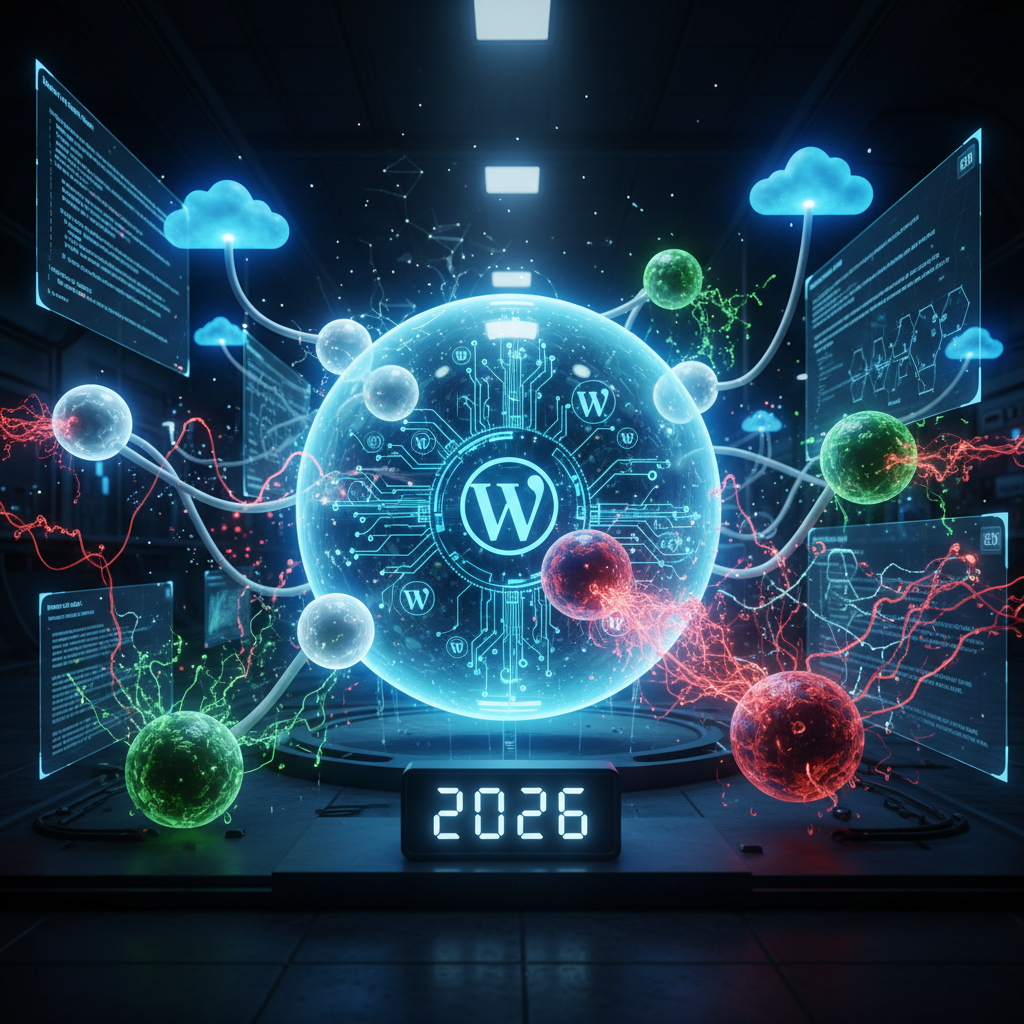
In the rapidly evolving landscape of web development, WordPress serverless plugins are emerging as a transformative force, enabling unprecedented levels of scalability and security for websites built on the world's most popular CMS. As we move further into 2026, the traditional server architecture is increasingly being challenged by serverless computing, which offers a pay-as-you-go model and automatic scaling that perfectly complements WordPress’s dynamic nature. This article delves into how these “silent symbiotes” – WordPress plugins leveraging serverless functions – are redefining performance, security, and maintenance for developers and site owners alike.
Understanding Serverless Computing and WordPress Serverless Plugins
Serverless computing, despite its name, doesn't mean there are no servers. Instead, it means you don't have to manage them. Cloud providers like AWS Lambda, Google Cloud Functions, and Azure Functions execute code in response to events, automatically provisioning and de-provisioning the necessary resources. This paradigm shift offers significant advantages for WordPress, which has historically been resource-intensive.
Integrating serverless functions with WordPress, often via specialized WordPress serverless plugins, allows various tasks to be offloaded from the main web server. These tasks can range from image optimization and form processing to cron jobs and database queries, enhancing efficiency and reducing the load on the primary WordPress instance. The synergy between WordPress and serverless architecture is becoming a cornerstone of modern, high-performance web solutions in 2026.
What is Serverless?
- No Server Management: Developers focus solely on code, not infrastructure.
- Event-Driven Execution: Functions run only when triggered by specific events.
- Automatic Scaling: Resources scale up or down instantly based on demand.
- Pay-Per-Execution: You only pay for the compute time consumed.
Key Benefits for WordPress
The adoption of serverless computing through WordPress serverless plugins brings a host of benefits:
- Cost Efficiency: Reduced operational costs due to pay-per-use billing.
- Enhanced Scalability: Websites can handle massive traffic spikes without manual intervention.
- Improved Performance: Faster execution of specific tasks by offloading them.
- Increased Reliability: Distributed nature reduces single points of failure.
Enhancing Security with WordPress Serverless Plugins
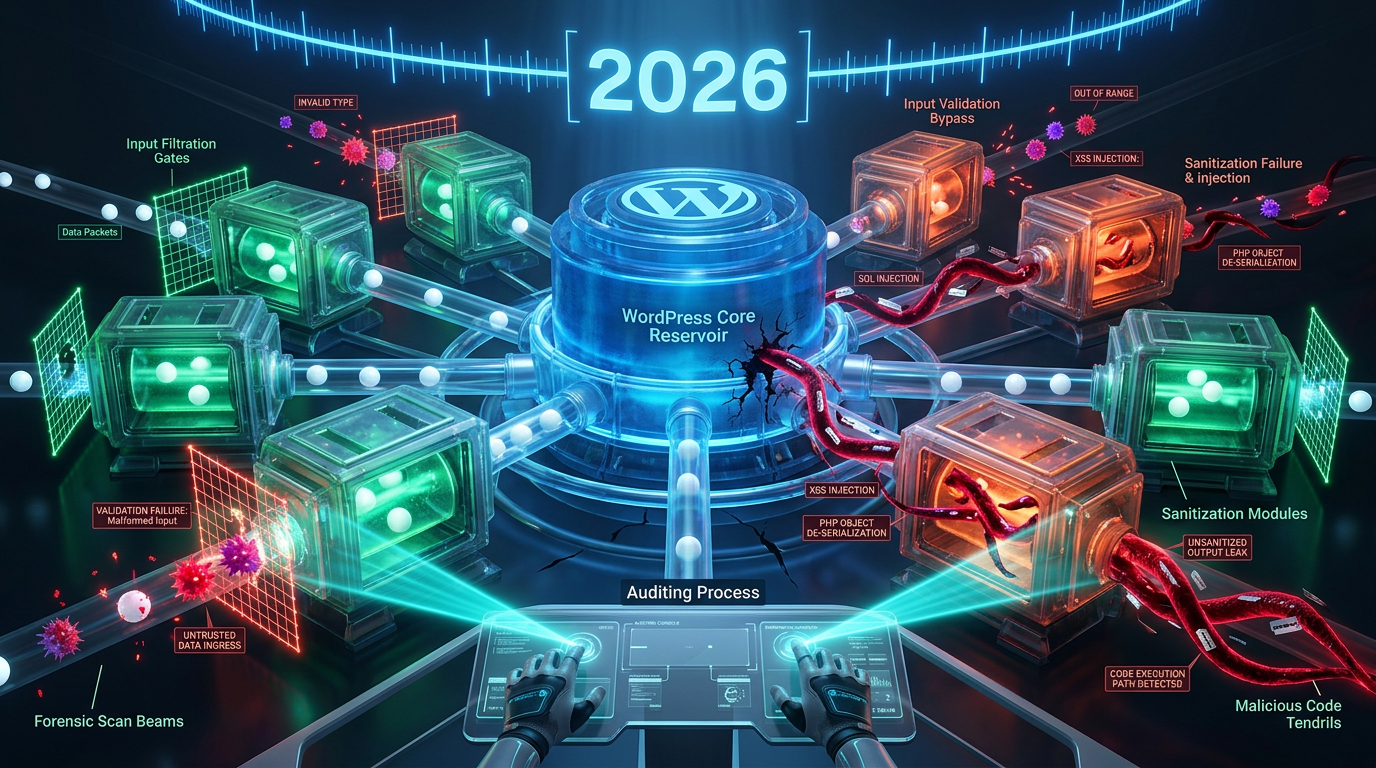
Security remains a paramount concern for any WordPress site. The plugin ecosystem, while incredibly powerful, can also introduce vulnerabilities if not managed carefully. In 2026, WordPress serverless plugins offer a compelling approach to bolstering security by isolating critical functionalities and reducing the attack surface of the main WordPress installation.
By moving specific operations to serverless functions, these activities are executed in an isolated, ephemeral environment. This means that even if a serverless function were compromised, the risk to the main WordPress application and its database is significantly reduced. Furthermore, serverless platforms inherently provide robust security features, including identity and access management, logging, and monitoring, which developers can leverage.
Reducing Attack Surface
Traditional WordPress setups often expose various scripts and functionalities directly on the web server. With serverless integration, sensitive operations can be triggered and executed in an environment that is only active during the execution. This dramatically shrinks the window of opportunity for attackers.
Ephemeral Environments
Serverless functions are typically short-lived and stateless. Once execution is complete, the environment is de-provisioned. This ephemeral nature makes it difficult for persistent threats or malware to establish a foothold, contrasting sharply with long-running server processes.
Leveraging Cloud Security Features
Cloud providers invest heavily in security for their serverless offerings. By utilizing WordPress serverless plugins, sites can indirectly benefit from these advanced security measures, including DDoS protection, built-in firewalls, and granular permission controls that might be harder to implement and maintain on a traditional dedicated server.
Performance Gains and Optimization Strategies
Performance is a critical ranking factor and user experience component. WordPress, known for its flexibility, can sometimes suffer from performance bottlenecks. WordPress serverless plugins specifically address these challenges by offloading computationally intensive or frequently executed tasks to scalable, high-performance serverless environments.
Examples include real-time image optimization, where uploaded images are automatically processed and resized by a serverless function immediately after upload, without burdening the primary server. Similarly, complex search queries, data aggregations, or webhook processing can be delegated to serverless functions, resulting in faster response times for users and a more responsive backend for administrators.
Offloading Resource-Intensive Tasks
- Image Processing: Automatic resizing, compression, and format conversion.
- Asynchronous Tasks: Sending emails, generating reports, background data synchronization.
- Form Submissions: Processing and validating form data without impacting frontend load.
- External API Integrations: Handling API calls securely and efficiently.
Caching and CDN Integration
While serverless functions handle dynamic content, they work exceptionally well in conjunction with caching mechanisms and Content Delivery Networks (CDNs). A properly configured serverless setup, often facilitated by robust WordPress serverless plugins, can serve highly dynamic content quickly while static assets are delivered from the edge, ensuring a blazingly fast user experience across the board.
Evaluating WordPress Serverless Plugins: Features and Risks in 2026
As the adoption of serverless architectures with WordPress grows in 2026, so does the development of specialized plugins. When choosing and implementing AWS Serverless technologies with WordPress serverless plugins, it's crucial to evaluate their functionalities, potential risks, and best practices for secure and stable integration.
While the benefits are clear, careful consideration must be given to potential issues such as vendor lock-in, increased complexity of a distributed system, and ensuring that serverless function costs remain predictable. Thorough testing and monitoring are essential to harness the power of serverless without introducing new headaches.
Key Features to Look For
- Ease of Configuration: Intuitive interface for connecting WordPress with serverless platforms.
- Task Offloading Capabilities: Clear delineation of which WordPress tasks can be serverless.
- Monitoring and Logging: Integration with cloud provider monitoring tools.
- Security Hardenings: Features to manage permissions and secure function execution.
- Provider Compatibility: Support for major serverless providers (AWS Lambda, Azure Functions, Google Cloud Functions).
Mitigating Common Plugin Risks
Much like traditional WordPress plugins, serverless variants can introduce risks if not carefully selected and maintained:
- Outdated Code: Regularly check for updates and ensure the plugin is actively maintained.
- Insecure Configurations: Pay close attention to how the plugin manages API keys and permissions for serverless functions.
- Excessive Permissions: Ensure the serverless functions only have the minimum necessary permissions to perform their tasks (Principle of Least Privilege).
- Third-Party Dependencies: Be aware of any external libraries or services the plugin or its serverless functions depend on and their associated vulnerabilities.
- Cost Overruns: Monitor serverless function invocations and execution times to prevent unexpected billing.
The Future Landscape of WordPress and Serverless in 2026
The convergence of WordPress and serverless computing is not just a trend; it's a fundamental shift in how scalable and secure websites will be built. In 2026, we can expect to see even more sophisticated Google Cloud Functions powered WordPress serverless plugins emerge, offering tighter integrations, automated deployment workflows, and advanced capabilities. The emphasis will be on creating highly resilient, cost-effective, and astronomically fast WordPress experiences.
Developers will increasingly leverage serverless functions for headless WordPress architectures, real-time data synchronization, and dynamic content generation at the edge. The "silent symbiote" relationship between WordPress and serverless promises a future where performance and security are no longer trade-offs but inherent features of the platform.
As the barrier to entry for serverless development lowers, more WordPress developers will gain the skills to implement these powerful solutions, further solidifying the position of WordPress serverless plugins as a cornerstone of modern web development in the coming years.
Frequently Asked Questions

Written by Aras Akıncılar
Uzun yıllara dayanan WordPress deneyimine sahip bir siber güvenlik uzmanı olarak, eklenti ekosisteminin derinlemesine analizine odaklanıyorum. Güvenlik açıkları, performans düşüşleri ve uyumluluk sorunları üzerine hazırladığım makalelerle, WordPress kullanıcılarının sitelerini daha güvenli ve verimli hale getirmelerine yardımcı olmayı hedefliyorum.