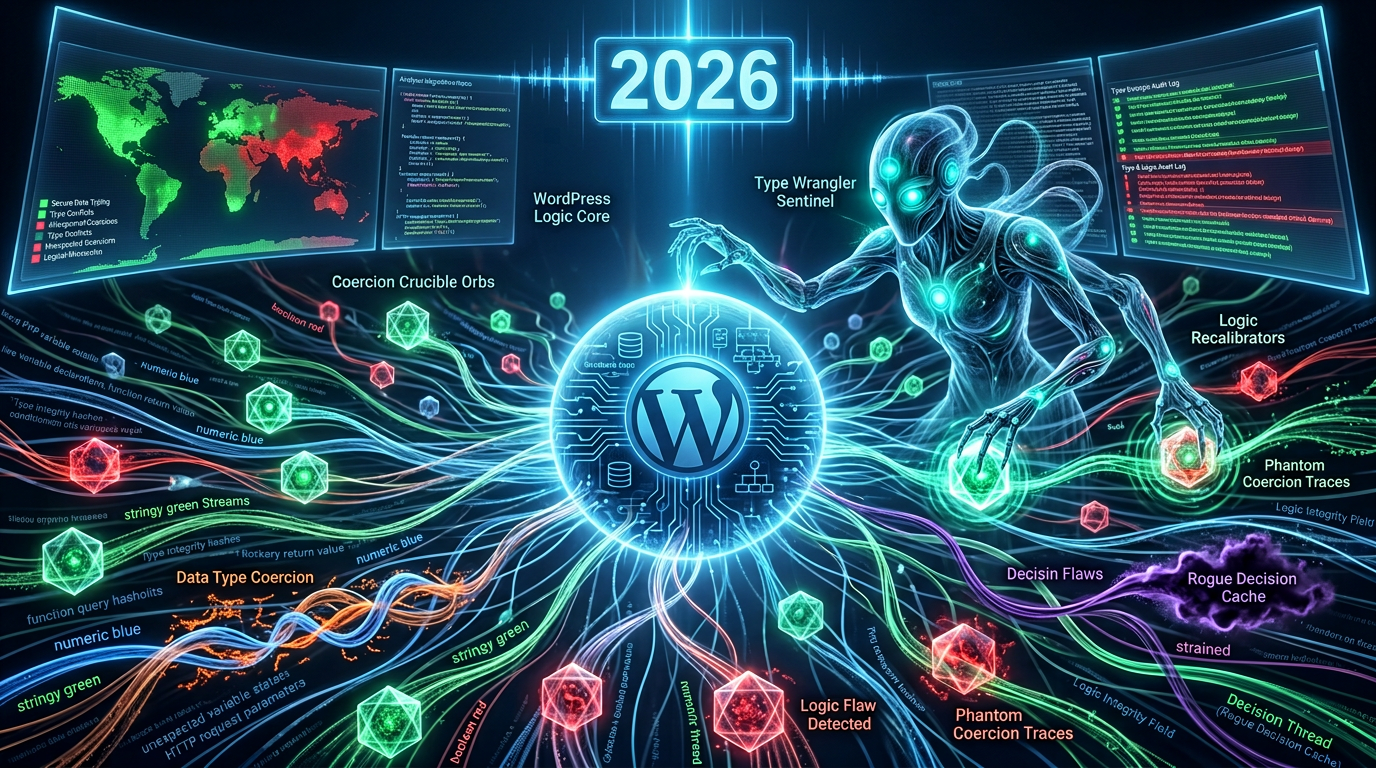
Unveiling the Future: Auditing WordPress Plugins for Emerging Time-Series Data & Predictive Analytics Risks in 2026
In the rapidly evolving digital landscape of 2026, understanding and leveraging data is paramount for any successful online venture. Specifically, the management and analysis of WordPress time-series data have gained significant traction, offering invaluable insights into user behavior, website performance, and business trends. This article delves into the critical need for a thorough audit of WordPress plugins, focusing on the potential risks and opportunities associated with mishandling or misinterpreting such temporal datasets. As WordPress continues to power over 40% of the internet, the integrity of its plugins, especially those interacting with time-based information, becomes a cornerstone of digital security and strategic foresight.
The Growing Significance of WordPress Time-Series Data in 2026
The digital world now operates at an unprecedented pace, generating vast quantities of data every second. For WordPress users, this means a continuous stream of information ranging from page views and user logins to e-commerce transactions and plugin interactions. This temporal sequence of data points, known as time-series data, holds the key to understanding patterns, predicting future events, and making informed decisions.
In 2026, businesses are increasingly relying on predictive analytics to stay ahead of the curve. Whether it's predicting seasonal sales trends, identifying potential security breaches, or optimizing content delivery, robust analysis of WordPress time-series data is indispensable. However, the very tools that enable this analysis – WordPress plugins – can also introduce significant risks if not properly vetted.
What Constitutes Time-Series Data in a WordPress Context?
- Website Analytics: Page views, unique visitors, bounce rates, time on page, traffic sources over time.
- E-commerce Transactions: Sales volumes, product views, abandoned carts, conversion rates per hour/day/week.
- User Activity Logs: Login attempts, content edits, comment submissions, security event logs.
- Performance Metrics: Server response times, database queries, plugin load times recorded at intervals.
- Sensor Data (IoT integrations): For specialized WordPress applications, data from connected devices over time.
The Drive Towards Predictive Analytics with WordPress Time-Series Data
The ability to predict future outcomes based on historical WordPress time-series data is a game-changer. Predictive analytics, fueled by machine learning algorithms, can forecast customer churn, anticipate infrastructure needs, and even detect nascent security threats before they escalate. Many advanced plugins now integrate, or aim to integrate, such predictive capabilities, making their security and data handling practices even more critical.
Identifying and Mitigating Plugin-Related Risks for Time-Series Data
While plugins offer immense functionality, they are also a primary source of vulnerabilities. When dealing with sensitive WordPress time-series data, these risks are amplified. Outdated code, insecure configurations, and excessive permissions can expose critical business intelligence and compromise user privacy.
Common Plugin Threats Impacting Time-Series Data Integrity
- Outdated Code: Plugins not regularly updated often contain known security flaws that attackers can exploit to access or manipulate data. This is particularly dangerous for plugins storing or processing historical data, as an attacker could inject malicious data points, corrupting the dataset used for future predictions.
- Insecure Configurations: Default settings or easily misconfigured options can leave databases exposed or API keys vulnerable. For plugins dealing with WordPress time-series data, this could mean unauthorized access to analytical dashboards or the raw data itself.
- Excessive Permissions: Many plugins request more permissions than strictly necessary for their operation. A plugin with write access to the entire database, for instance, could silently alter historical records, undermining the reliability of any time-series analysis.
- Third-Party Dependencies: Plugins often rely on external libraries or services. If these dependencies are not securely managed or are themselves vulnerable, they can become a backdoor for attackers to compromise the plugin and, by extension, your WordPress time-series data.
- Poor Data Sanitization and Validation: Insufficient checks on input data can lead to SQL injection vulnerabilities, allowing attackers to extract or manipulate time-series records directly from your database. For further understanding of how plugin vulnerabilities can impact data integrity, explore articles on Digital Forensics & Incident Response in WordPress Plugins (2026).
Best Practices for Auditing Plugins Handling WordPress Time-Series Data
To safeguard your valuable temporal data, a systematic approach to plugin auditing is essential. This involves both proactive measures and regular reviews. Prioritize plugins that directly interact with your analytics, e-commerce, or security logs.
- Review Plugin Source Code (when possible): Especially for premium or custom plugins, a code review can reveal underlying vulnerabilities related to data handling, encryption, and access controls. Look for insecure functions, hardcoded credentials, and proper sanitation of inputs and outputs relevant to WordPress time-series data.
- Verify Data Storage Practices: Understand where and how the plugin stores its data. Is it in the WordPress database? Is it encrypted? Are there proper access controls at the database level? For sensitive WordPress time-series data, ensure compliance with relevant data protection regulations (e.g., GDPR, CCPA). Best practices for data residency and geo-compliance in WordPress plugins are crucial in 2026.
- Evaluate Third-Party Integrations: Scrutinize any APIs or external services the plugin connects to. What data is being shared? Is the connection secure (e.g., HTTPS)? What are the privacy policies of these third parties regarding your WordPress time-series data?
- Monitor Performance Impact: Poorly optimized plugins can degrade website performance, particularly those processing large volumes of WordPress time-series data. Use performance monitoring tools to identify bottlenecks and ensure the plugin isn't excessively taxing your server resources.
- Check for Regular Updates and Support: A well-maintained plugin is less likely to harbor long-standing vulnerabilities. Prioritize plugins with a robust update schedule and active developer support, especially those critical for managing your WordPress time-series data. For insights into ensuring the overall security of your WordPress environment, consider reviewing the annual Wordfence WordPress Security Report for 2026.
Optimizing Performance and Compatibility for Time-Series Data Plugins
Beyond security, the performance and compatibility of plugins handling WordPress time-series data are crucial for maintaining a stable and high-performing website. Large datasets can exert significant strain on server resources if not managed efficiently.
Performance Bottlenecks and How to Address Them
- Database Load: Plugins frequently querying or writing large amounts of WordPress time-series data can overload the database. Optimize database queries, use caching mechanisms, and consider offloading historical data to dedicated analytical platforms if appropriate.
- Script Execution Time: Server-side scripts used by plugins to process time-series data can consume excessive CPU resources. Look for plugins that are well-optimized for performance, leverage asynchronous processing where possible, or use background jobs for intensive data operations.
- Front-End Impact: Heavy JavaScript or numerous external requests for dashboards displaying real-time WordPress time-series data can slow down your website's front end. Prioritize plugins that have efficient asset loading and defer non-critical scripts.
Ensuring Compatibility with Your WordPress Ecosystem
A common issue with WordPress plugins is compatibility conflicts. These can manifest as broken functionalities, unexpected errors, or even complete site crashes, especially when multiple plugins are operating on shared data structures like WordPress time-series data.
- Thorough Testing: Always test new plugins, or major updates to existing ones, in a staging environment before deploying to production. Pay close attention to how they interact with other critical plugins, especially those managing user data or performance. For comprehensive plugin development and compatibility testing, resources like the official WordPress Plugin Developer Handbook can be invaluable.
- Version Control: Ensure your WordPress core, themes, and plugins are always running on supported and compatible versions. Outdated components can lead to unforeseen conflicts when a plugin attempts to interact with WordPress time-series data using newer or older methods.
- Error Logging: Monitor your server error logs and WordPress debug logs to catch any compatibility issues early. Warnings or errors related to database queries for WordPress time-series data should be investigated immediately.
The Future of WordPress Time-Series Data Management and Security
As we navigate 2026, the landscape of WordPress time-series data management is rapidly evolving. We're seeing increased demand for sophisticated analytical capabilities directly within WordPress, coupled with a heightened awareness of data privacy and security. The "silent chronographers" in our plugin ecosystem – those tirelessly collecting and processing temporal data – need our rigorous attention.
Emerging Trends in WordPress Data Analytics
The push for real-time analytics, AI-powered insights, and deeper integration with external data sources will continue. This means plugins will become even more complex, and their interaction with WordPress time-series data will be more intricate. Expect to see:
- Edge Computing: Processing some time-series data closer to the source to reduce latency and server load.
- Advanced Machine Learning Integrations: More sophisticated anomaly detection, predictive forecasting, and personalization engines built directly into WordPress plugins leveraging historical data. For cutting-edge developments in this area, look into Gartner's insights on real-time data and analytics in 2026.
- Enhanced Data Visualization: Interactive dashboards and reporting tools that offer clearer insights into complex WordPress time-series data trends.
Proactive Security Measures for a Data-Driven 2026
Maintaining a secure and high-performing WordPress site in 2026 demands a proactive approach, especially concerning WordPress time-series data. Regular security audits, vigilant updates, and a comprehensive understanding of plugin behavior are no longer optional but essential. By focusing on these principles, website owners can harness the full power of their temporal data, transform insights into action, and safeguard their digital assets in an increasingly complex online world.
Ultimately, the health of your WordPress website and the integrity of your strategic insights depend heavily on the careful selection and continuous auditing of your plugins, particularly those entrusted with collecting and interpreting your valuable WordPress time-series data.
Frequently Asked Questions

Written by Aras Akıncılar
Uzun yıllara dayanan WordPress deneyimine sahip bir siber güvenlik uzmanı olarak, eklenti ekosisteminin derinlemesine analizine odaklanıyorum. Güvenlik açıkları, performans düşüşleri ve uyumluluk sorunları üzerine hazırladığım makalelerle, WordPress kullanıcılarının sitelerini daha güvenli ve verimli hale getirmelerine yardımcı olmayı hedefliyorum.