The Silent Virtuosos: Unmasking WordPress WebGPU plugins Orchestrating GPU & WebGPU Acceleration in 2026
In the evolving digital landscape of 2026, web experiences are increasingly demanding, often pushing the boundaries of what traditional browser rendering can achieve. This is where the power of GPU acceleration comes into play, and specifically, the emerging role of WordPress WebGPU plugins. These innovative tools are poised to revolutionize how WordPress websites handle complex visual tasks, interactive 3D graphics, and data visualization directly within the browser, leveraging the raw power of your users' graphics hardware.
The Dawn of WebGPU in WordPress: Why WordPress WebGPU Plugins Matter
The arrival of WebGPU, the successor to WebGL, marks a significant leap in web graphics capabilities. Offering low-level access to GPU hardware, WebGPU enables developers to create highly performant and visually rich web applications that were previously confined to native desktop environments. For WordPress, a platform renowned for its flexibility and ease of use, integrating WebGPU could unlock entirely new possibilities, from immersive e-commerce product configurators to real-time data dashboards and advanced educational tools.
The relevance of WordPress WebGPU plugins in 2026 cannot be overstated. As visual content becomes paramount, sites need efficient ways to deliver cutting-edge graphics without sacrificing performance. These plugins serve as bridges, allowing WordPress site owners to harness this powerful technology without deep coding knowledge. They abstract away the complexities, making advanced GPU-accelerated features accessible. These are just one facet of the broader "Silent Virtuosos" category of plugins that orchestrate advanced browser APIs and device functionality, as explored in The Silent Virtuosos: Unmasking WordPress Plugins Orchestrating Advanced Browser APIs & Device Functionality in 2026.
Understanding WebGPU's Impact on Web Development
WebGPU provides a modern, explicit API for interacting with the GPU, similar to Vulkan, DirectX 12, or Metal. This means better control over hardware resources, leading to more predictable performance and the ability to optimize graphically intense operations with greater precision. For WordPress, this translates into potentially smoother animations, faster rendering of complex 3D models, and the capacity to handle larger datasets for visualization on the fly. The implications for interactive elements and dynamic content are enormous, transforming passive viewing into engaging experiences. This parallels the advancements seen in WordPress Plugins Orchestrating Advanced Physics Engines & Real-time Simulations in 2026, where complex calculations are offloaded for superior performance.
Current Landscape of WordPress Graphics Acceleration
Before WebGPU, WordPress sites largely relied on WebGL for advanced graphics. While effective, WebGL has its limitations, particularly in terms of performance and API design. WordPress WebGPU plugins are set to supersede many of these constraints, offering a more robust and future-proof solution. Existing plugins often focus on image optimization or basic animation, but the next generation is moving towards true real-time rendering and computational capabilities directly on the GPU. For further insights into optimization, refer to The Silent Symbiotes: How WordPress Plugins Are Leveraging Micro-Augmentations for Adaptive Image & Media Optimization in 2026.
Key Features and Functionalities of Effective WordPress WebGPU Plugins
As the market for WordPress WebGPU plugins blossoms, certain features will distinguish the truly invaluable tools from the less effective ones. Site owners should look for plugins that offer a balance of power, ease of use, and robust integration with the WordPress ecosystem.
- 3D Model Integration: The ability to easily upload, display, and interact with 3D models directly on WordPress pages.
- Real-time Data Visualization: Plugins that can render complex charts, graphs, and interactive dashboards using GPU acceleration for smooth performance.
- Interactive Experiences: Enabling dynamic, responsive elements that react to user input, powered by WebGPU for fluid interactions.
- Shader Support: Providing tools to implement custom shaders for unique visual effects and highly optimized rendering.
- Performance Optimization: Features specifically designed to ensure that WebGPU-powered content loads quickly and runs efficiently without bogging down the server or the user's browser.
Ease of Use and WordPress Integration
For WordPress users, a plugin's ease of use is paramount. The best WordPress WebGPU plugins will offer intuitive user interfaces, drag-and-drop functionalities, and seamless integration with the Block Editor (Gutenberg) or popular page builders. This ensures that even users without extensive coding knowledge can leverage WebGPU's power to enhance their site's visual appeal and interactivity. This focus on intuitive user experience and behavioral design is a key trend in 2026, as examined in The Silent Alchemists: How WordPress Plugins Are Remodeling User Experience & Behavioral Design in 2026.
Compatibility with Existing WordPress Ecosystem
A critical consideration for any new plugin category is its compatibility. Effective WordPress WebGPU plugins must work harmoniously with popular themes, other essential plugins (like security or caching plugins), and various hosting environments. Developers of these plugins need to prioritize broad compatibility to ensure a smooth adoption process for the wider WordPress community in 2026. For more on ensuring smooth integration and avoiding conflicts, consider the principles discussed in The Silent Augmenters: How WordPress Plugins Are Extending Core Functionality with Semantic Versioning & Dependency Resolution (2026).
Potential Risks and Challenges with WordPress WebGPU Plugins
While the promise of WordPress WebGPU plugins is immense, it's crucial to acknowledge the potential risks and challenges they might introduce. As with any advanced technology, careful consideration is needed to ensure security, performance, and stability.
Security Vulnerabilities of WebGPU Plugins
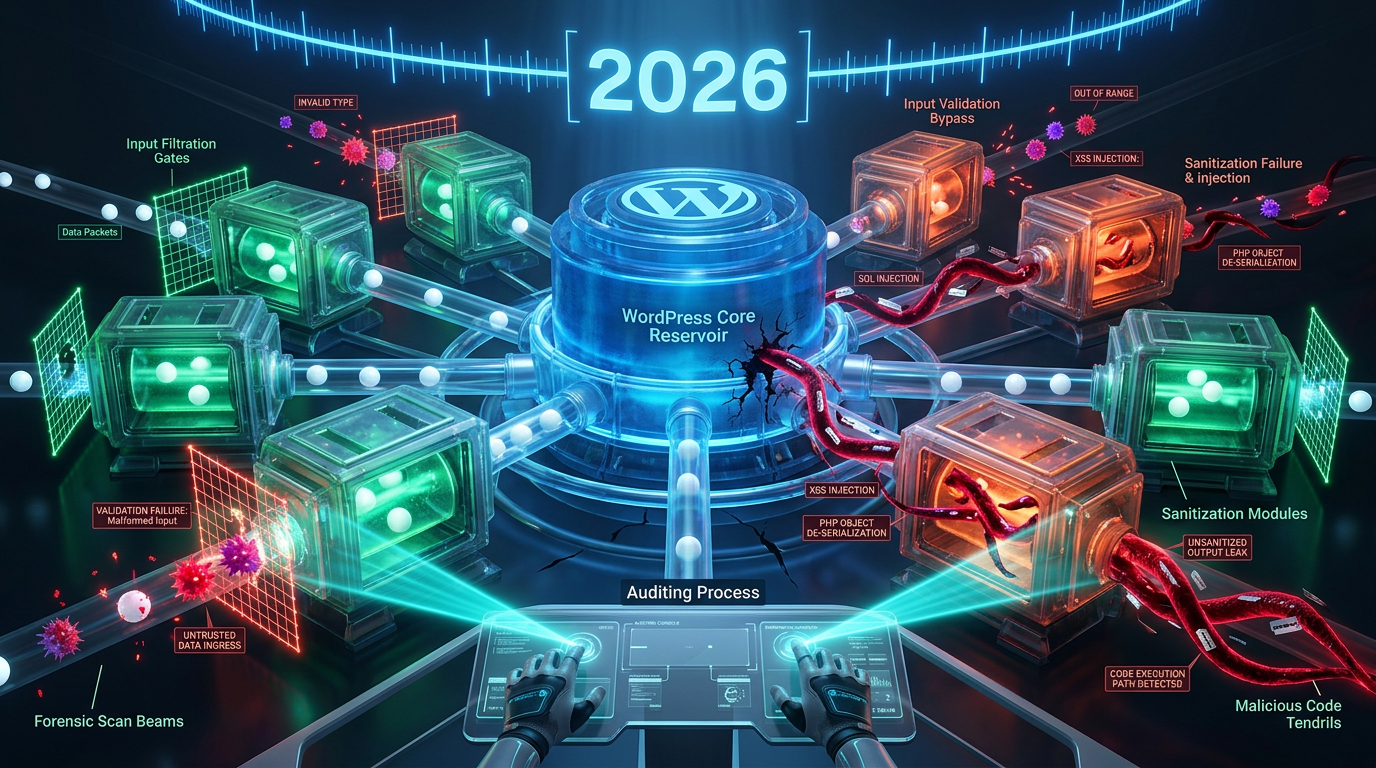
The introduction of any new plugin, especially one interacting deeply with client-side hardware, opens new avenues for potential security vulnerabilities. WordPress WebGPU plugins could be susceptible to issues such as:
- Outdated Code: Plugins not regularly updated can contain known exploits, making the site an easy target.
- Insecure Configurations: Poorly configured plugins might expose sensitive data or allow unauthorized access.
- Excessive Permissions: Plugins requesting more permissions than necessary could be exploited to compromise a site.
- Third-Party Dependencies: Reliance on external libraries or frameworks introduces external security risks if those dependencies are not secure or maintained.
It is imperative for users to choose WordPress WebGPU plugins from reputable developers with strong security practices and a history of regular updates. Regular security audits and active community involvement can help mitigate these risks. Insights into advanced security practices can be found in The Silent Augmenters: How WordPress Plugins Are Extending Core Functionality with Multi-Layered Security Sandboxing in 2026.
Performance Degradation and Optimization Concerns
While WebGPU is designed for high performance, poorly implemented WordPress WebGPU plugins can actually degrade site performance. Over-reliance on heavy 3D assets, unoptimized shaders, or inefficient data handling can consume significant GPU and CPU resources on the user's device, leading to slow loading times and a poor user experience. Developers must prioritize optimization, implementing techniques like lazy loading, LOD (Level of Detail) for 3D models, and efficient resource management to ensure smooth operation. For further reading on web performance, consider resources like web.dev/fast, which offers guidance on improving website speed and user experience
Compatibility Issues and Browser Support
WebGPU is a relatively new technology, and while browser support is growing rapidly, it's not yet universal. WordPress WebGPU plugins must account for varying levels of browser and device support. This might involve graceful degradation for unsupported environments or providing clear recommendations to users. Compatibility issues can also arise with different WordPress versions, themes, or other plugins, leading to conflicts or errors that disrupt the site's functionality. Keeping abreast of browser capabilities is crucial; information can be found on resources like Can I use... WebGPU.
Best Practices for Implementing WordPress WebGPU Plugins in 2026
To safely and effectively harness the power of WordPress WebGPU plugins, site administrators and developers should adhere to a set of best practices. These guidelines will help ensure that the benefits of WebGPU are realized without compromising the security, performance, or stability of the WordPress website.
- Choose Reputable Plugins: Always select WordPress WebGPU plugins from well-known developers with positive reviews, active support, and a history of consistent updates. Check plugin ratings and user feedback before installation.
- Regularly Update Plugins: Keep all plugins, especially those leveraging advanced technologies like WebGPU, updated to their latest versions. Updates often include security patches, performance enhancements, and bug fixes. For detailed security recommendations, the official WordPress Security page is an excellent resource.
- Perform Staging Site Testing: Before deploying any new WebGPU plugin or significant update to a live site, test it thoroughly on a staging environment. This allows for identifying and resolving potential conflicts or performance issues without affecting the live user experience.
- Monitor Performance Metrics: After implementing a WebGPU plugin, continuously monitor website performance metrics, such as load times, CPU usage (client-side), and GPU memory usage. Tools like Google Lighthouse or browser developer tools can be invaluable here.
- Implement Security Scans: Utilize robust WordPress security plugins and routinely scan your website for vulnerabilities, especially after installing or updating WordPress WebGPU plugins.
- Educate Yourself: Stay informed about the latest developments in WebGPU technology and best practices for its implementation on the web. Understanding the underlying technology can help in making informed decisions about plugin choices and configurations.
- Backup Your Website: Regular and reliable backups are essential. In the unlikely event that a WordPress WebGPU plugin causes critical issues, a recent backup can save significant time and effort in recovery.
By following these best practices, WordPress users can confidently explore the exciting possibilities that WordPress WebGPU plugins offer, transforming their websites into visually stunning and highly interactive digital experiences in 2026 and beyond.
Frequently Asked Questions

Written by Aras Akıncılar
Uzun yıllara dayanan WordPress deneyimine sahip bir siber güvenlik uzmanı olarak, eklenti ekosisteminin derinlemesine analizine odaklanıyorum. Güvenlik açıkları, performans düşüşleri ve uyumluluk sorunları üzerine hazırladığım makalelerle, WordPress kullanıcılarının sitelerini daha güvenli ve verimli hale getirmelerine yardımcı olmayı hedefliyorum.