WordPress Content Semantics: Elevating SEO in 2026
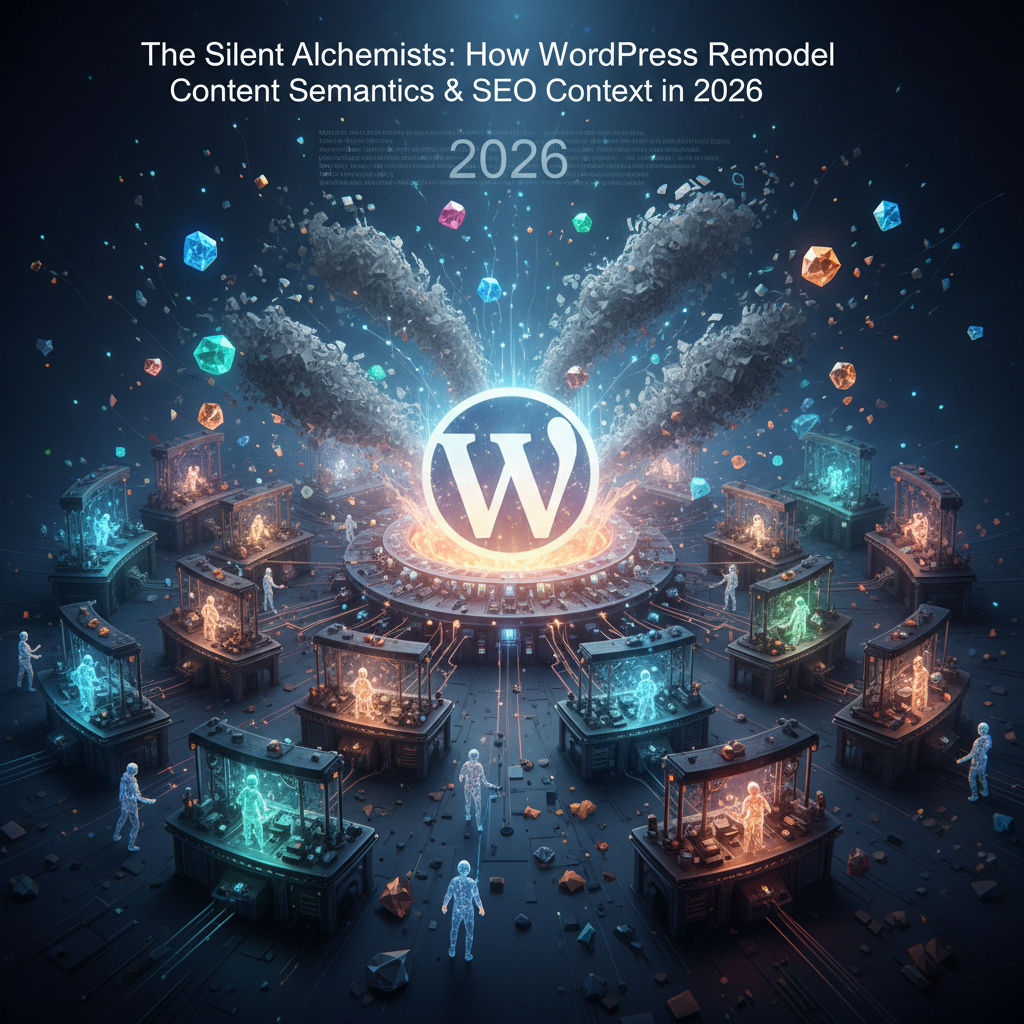
In the ever-evolving digital landscape of 2026, understanding WordPress content semantics is more critical than ever for achieving top search engine rankings. WordPress, as the leading content management system, provides an unparalleled ecosystem of plugins designed to enhance virtually every aspect of a website. These "silent alchemists" work behind the scenes, profoundly remodeling not just the appearance of content, but its underlying semantic structure and, consequently, its SEO context. Their ability to introduce structured data, optimize readability, and integrate vast amounts of related information directly impacts how search engines interpret and value your content.
Decoding WordPress Content Semantics: The Plugin Imperative
The core concept of WordPress content semantics revolves around giving meaning and context to your website’s information beyond just raw text. Search engines like Google are no longer just looking for keywords; instead, they strive to understand the intent behind a query and deliver the most relevant, authoritative, and comprehensive content. This is where plugins become indispensable.
They truly enable webmasters to imbue content with richer semantic signals, making it more intelligible for sophisticated search algorithms. Without proper semantic enhancement, even well-written content can struggle for visibility. Plugins bridge the gap between human-readable text and machine-understandable data, thus ensuring your message resonates with both audiences. For a deeper dive into how plugins manage resources, read about WordPress Plugins Bidding for Server Resources (2026).
Structured Data & Schema Markup for Semantic Clarity
One of the most potent ways plugins enhance WordPress content semantics is through structured data and schema markup. Plugins like Yoast SEO or Rank Math allow you to easily add schema types (e.g., Article, Product, Recipe, FAQ) directly from the WordPress editor. This structured data provides explicit clues to search engines about the nature and purpose of your content, leading to richer search results (rich snippets) and improved click-through rates (CTR).
- Article Schema: Defines author, publication date, and organization for blog posts.
- Product Schema: Highlights price, availability, and reviews for e-commerce items.
- FAQ Schema: Presents frequently asked questions directly in search results.
Enhanced Readability and Topical Authority through Plugins
Plugins extend beyond just technical SEO. Many tools assist in improving content readability, which indirectly strengthens WordPress content semantics. Features like Flesch-Kincaid readability scores, sentence length analysis, and passive voice checks help authors create more digestible and engaging content. Furthermore, some advanced plugins help identify related entities and topics, encouraging content creators to build topical authority by covering subjects comprehensively. Learn more about how plugins shape the visual aspect in how WordPress Plugins Shape & Control Theme Design in 2026.
By producing content that is both deep in its coverage and easy to consume, you naturally enhance its semantic value in the eyes of search engines. This holistic approach ensures that your content isn't just keyword-stuffed, but genuinely informative and valuable.
The Evolution of Semantic SEO with WordPress Plugins in 2026
As we navigate 2026, the capabilities of WordPress plugins in influencing semantic SEO have reached new heights. AI-powered tools are emerging that can analyze content for semantic gaps, suggest related entities, and even recommend internal linking strategies to build stronger topical clusters. This evolution moves beyond simple keyword density towards a more nuanced understanding of content relationships and user intent. Explore how this extends to other forms of content in how WordPress Plugins Transform Content into Voice & The Accessibility Revolution of 2026.
Ultimately, the challenge for website owners is to wisely select and configure these plugins to avoid a bloated or insecure setup. The power they offer comes with a responsibility to maintain a lean, secure, and high-performing site.
Advanced Internal Linking Strategies for Stronger Semantics
Sophisticated plugins are now assisting with automated and semi-automated internal linking, directly impacting WordPress content semantics. By suggesting relevant posts based on content analysis, these plugins help create a logical flow of information across your site. This not only improves user experience but also strengthens the topical authority of your content clusters, signaling to search engines the depth of your site's knowledge on specific subjects. For more on optimizing website structure, refer to WordPress Plugins That Redefine Your URL Structures in 2026.
- Automated suggestions for related articles.
- Identification of orphan pages needing internal links.
- Analysis of link equity distribution within topic clusters.
AI-Powered Content Optimization for Semantic Excellence
The integration of AI into WordPress SEO plugins in 2026 is revolutionizing how we approach WordPress content semantics. These AI tools can analyze competitor content, identify semantic entities common in top-ranking pages, and moreover, suggest optimizations for your own content. From improving keyword variations to recommending related topics for discussion, AI is becoming a powerful co-pilot for content creators aiming for semantic excellence.
It's important to remember that AI is a tool, not a replacement for human expertise. Its recommendations should always be vetted and integrated thoughtfully to maintain authenticity and unique voice. For further reading on this topic, consider research on semantic content analysis in modern web applications.
Plugin Risks and Best Practices for Semantic Enhancement
While the benefits of plugins for WordPress content semantics are undeniable, it's crucial to acknowledge the potential risks. Poorly coded or outdated plugins can introduce vulnerabilities, performance bottlenecks, and compatibility issues that undermine your SEO efforts. A robust strategy involves careful selection, regular updates, and continuous monitoring. Understanding these risks is crucial, as highlighted by resources like WordPress Plugin Security guidelines.
As highlighted in our ongoing project, common threats include:
- Outdated Code: Can lead to security exploits and compatibility problems with newer WordPress versions.
- Insecure Configurations: Default settings or poor user choices can expose sensitive data.
- Excessive Permissions: Plugins requesting unnecessary access to core WordPress functionalities. For more information, see Unmasking Excessive Permissions in WordPress Plugins (2026).
- Third-Party Dependencies: Relying on external libraries or services that might introduce their own risks or performance overhead.
To mitigate these risks, always prioritize plugins from reputable developers with strong community support and a history of regular updates. Before installing, review plugin reviews, check when it was last updated, and scrutinize the requested permissions. Academic resources such as studies on plugin vulnerabilities in web platforms can also provide valuable insights.
Measuring the Impact of Optimized WordPress Content Semantics
Once you’ve implemented strategies to improve your WordPress content semantics using plugins, how do you measure their effectiveness? This involves a combination of technical SEO audits and performance monitoring tools. Google Search Console is your primary window into how search engines perceive your site’s semantic structure and overall health.
Key metrics to monitor include:
- Rich Snippet Appearance: Check if your structured data is correctly implemented and appearing in Search Engine Results Pages (SERPs).
- Organic Traffic Trends: Look for increases in traffic, particularly to semantically optimized pages.
- Keyword Rankings for long-tail queries: Semantic optimization often improves visibility for more specific, intent-driven searches.
- User Engagement Metrics: Higher time on page, lower bounce rates, and increased click-through rates.
Frequently Asked Questions

Written by Aras Akıncılar
Uzun yıllara dayanan WordPress deneyimine sahip bir siber güvenlik uzmanı olarak, eklenti ekosisteminin derinlemesine analizine odaklanıyorum. Güvenlik açıkları, performans düşüşleri ve uyumluluk sorunları üzerine hazırladığım makalelerle, WordPress kullanıcılarının sitelerini daha güvenli ve verimli hale getirmelerine yardımcı olmayı hedefliyorum.